









































10 Reasons Why Your Restaurant Needs a QR Code
 Ian Galero
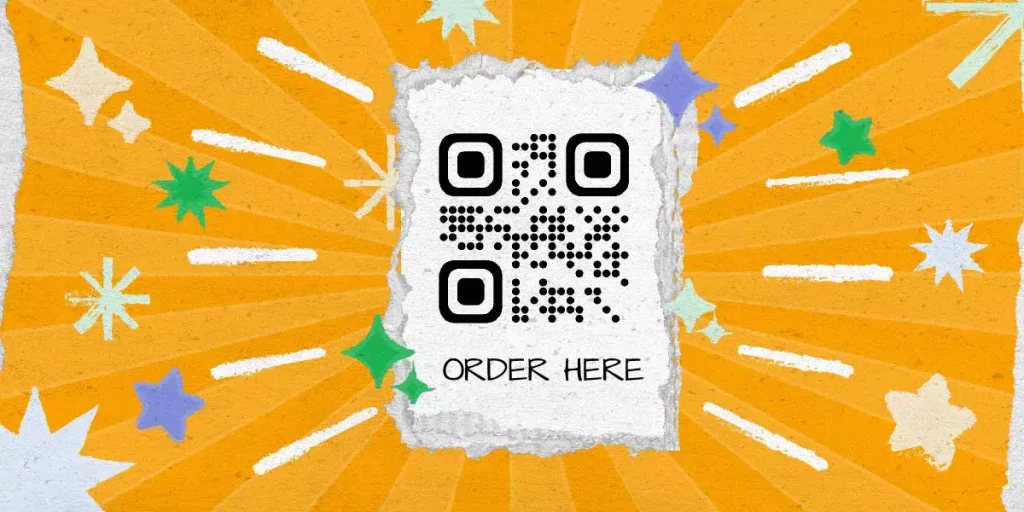
In 1994, the Japan-based Denso Wave company (a subsidiary of Toyota Motors) developed the Quick-Response (QR) Code as a means to quickly scan, identify, and track automobile parts during the assembly process. The QR code was later adopted by several industries for a variety of uses, from retail and marketing to gaming and food service.
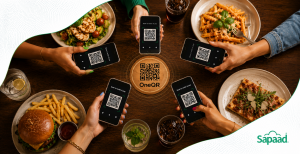
Despite being a few decades old, the QR code experienced a boom in the restaurant industry following the 2020 COVID-19 pandemic. The need for fast, contactless ordering led to the emergence of QR code menus and a new age of digital ordering.
From fad to necessity, here are the 10 best reasons why QR code menus are an integral part of the industry and why you should consider getting one for your restaurant.
1. QR Codes Are Accessible
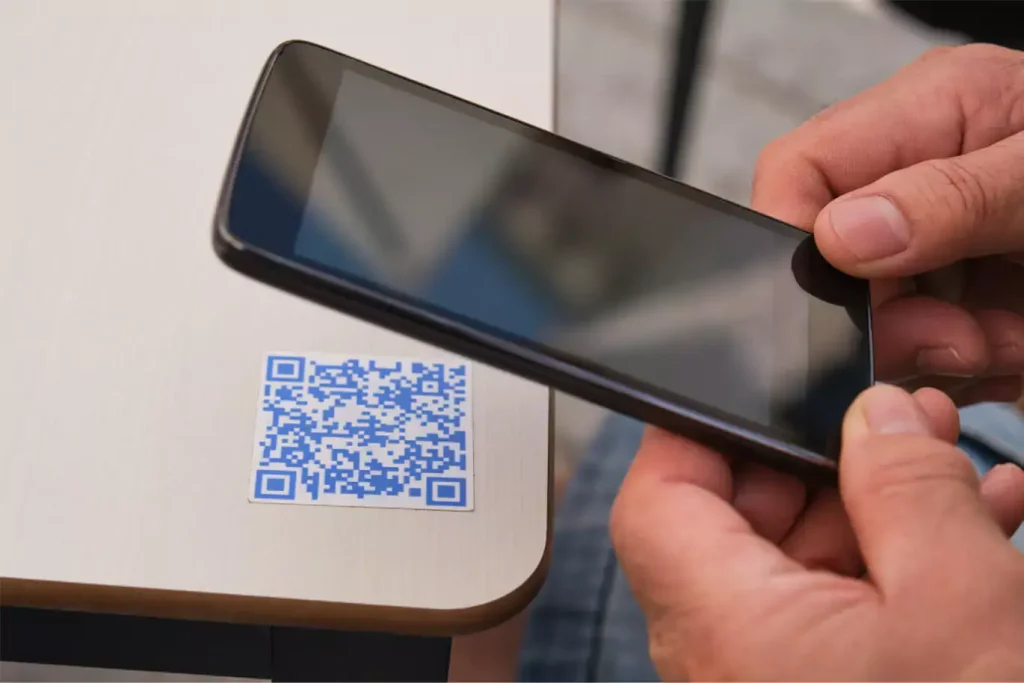
QR codes are an optical-based technology that encodes information and prints it into a 2D image composed of black and white squares. QR codes are essentially an upgraded version of barcodes and can be scanned by any modern camera.
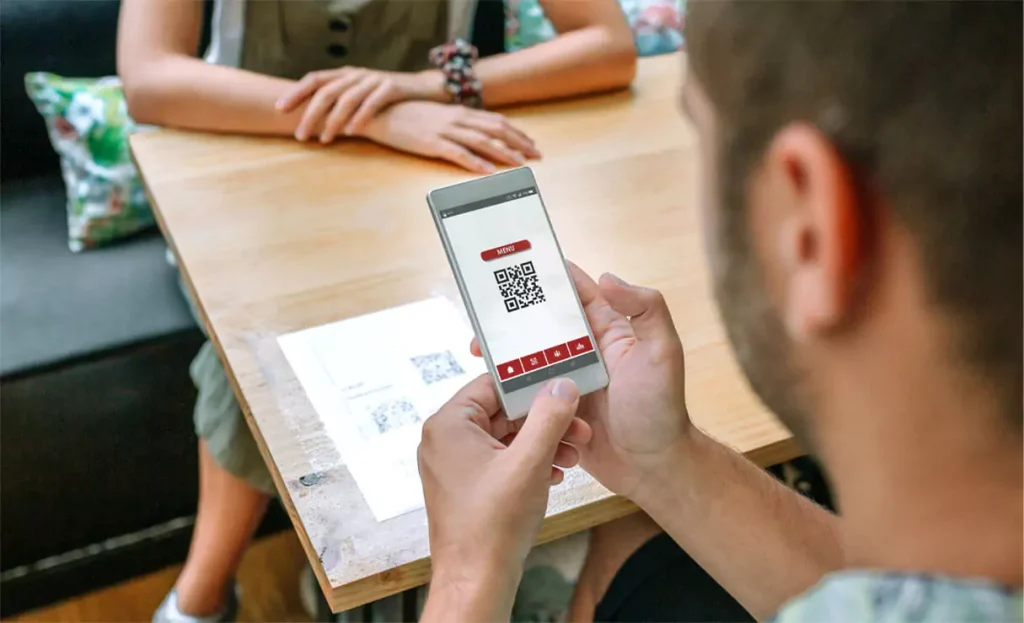
Given the ubiquity of smartphones in modern society, QR codes can take advantage of the speed and accessibility of smart technology to digitize restaurant ordering. That itself has inherent advantages over the traditional ordering systems which we will tackle later on.
2. QR Menus Reduce Order Errors
Over-the-counter orders can be subject to a lot of human error in the process. During order taking, restaurant staff can mishear or misinterpret customer requests. While most of the time these mistakes are minor, they can compound over time and cost the business a lot of money and missed opportunities.
QR menus minimize human error by letting the customer order exactly what they want through the digital menu. Through the use of clear images, order descriptions, and strategic item placement, QR menus make it easier for customers to decide on their order and prevent errors and second-guessing.
3. QR Menus are Tourist Friendly
For tourists, ordering from a foreign restaurant can be intimidating, as most physical menus are made with the local language. While English menus are certainly a remedy, they are costly to create and oftentimes contain mistranslations.
QR menus require very few resources to deploy once you have the necessary system to implement them. This makes it easy for restaurants to create tourist-friendly menus as they can utilize both visual and text-based elements to properly showcase each menu item.
If there are any translation errors, it only takes a few changes in the code to correct them instead of having to print another batch of physical menus. This is great for tourist-heavy restaurants as it can really smooth out the ordering process.
4. QR Ordering Minimizes Physical Contact
One of the biggest reasons why QR menus were implemented in the first place was the need for fast, contactless ordering. The 2020 pandemic has led customers to become more health and environment conscious, with a big emphasis on reducing physical interactions with strangers.
QR ordering makes it so that staff do not need to hand out menus to get customer orders, effectively reducing menu sharing and lessening opportunities for cross-contamination. This helps in keeping the workplace sanitary and safe for both customers and restaurant personnel.
5. QR Ordering is Faster
Restaurant managers work hard to find the balance between speed, efficiency, and hospitality during food service. They want to serve as many customers as possible without making them feel like they are being rushed to leave ASAP.
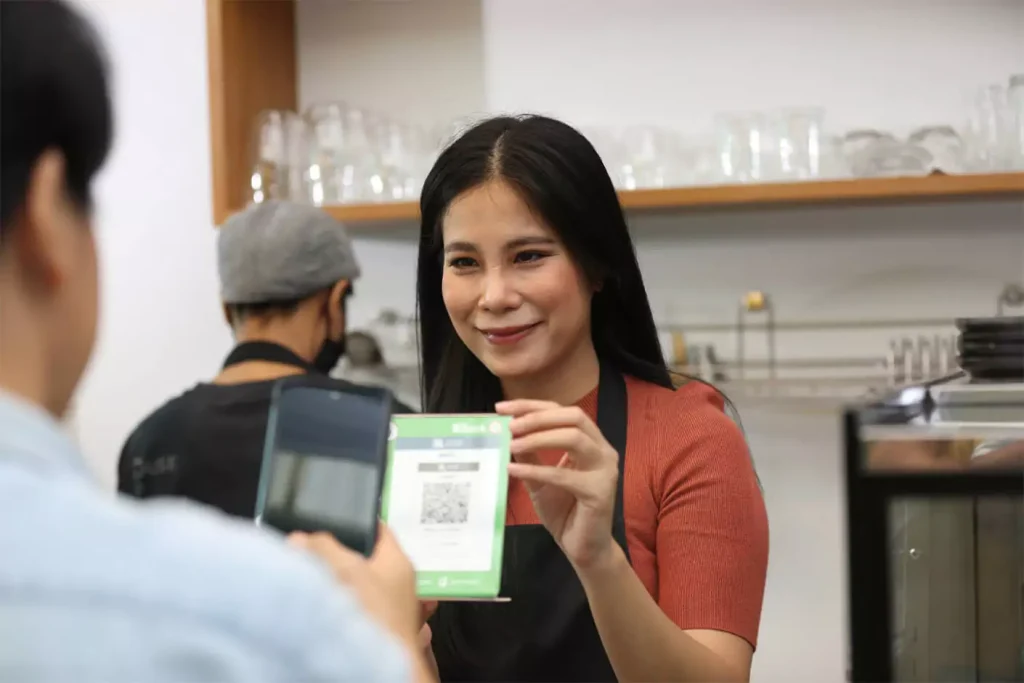
Instead of relying on over-the-counter orders or for waiters to approach customers at their tables, QR ordering makes the whole ordering process faster and more efficient by minimizing the time it takes for requests to reach the kitchen.
As soon as an order is placed, kitchen staff are notified through a Kitchen Display System which allows them to prepare the meal as quickly as possible. Likewise, once a meal is done, customers can pay straight away from their table through cash or credit instead of having to rely on waiters to deliver the check to them.
This shaves off precious minutes during the order cycle that can lead to a few extra customers being serviced. In short, faster table turnout rates and increased customer satisfaction, which leads to higher business profitability.
6. QR Menus Increase Upsell/Cross-sell Opportunities
Upselling and cross-selling products can play a huge role in increasing sales for a restaurant. However, convincing customers face-to-face to try out a new product or add that extra side of fries can be an awkward experience for both your staff and your guests.
QR menus help save embarrassing moments from happening by letting customers order at their own leisure. When left to their own devices (literally), customers are more likely to order another helping of fries when there’s nobody in front of them to judge their decisions.
7. QR Menus are Flexible
Unlike print menus, QR menus have the main advantage of being digital. That means any changes you want to implement can be done so instantly without having to print and spend on a new batch of physical menus.
Flexibility is important in improving user experience. Through digital menus, you can easily implement new designs, price changes, and promotions instantly and effortlessly. Combine this flexibility with menu engineering concepts and you can definitely improve your business’s profitability quickly.
8. Digital Menus can be Integrated Into Your POS
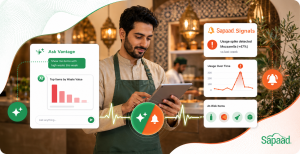
The POS is a powerful restaurant management tool that has several functions to optimize operations. Leading restaurant POS systems utilize customer and order information to provide useful analytics such as best-selling items, average preparation times, kitchen efficiency ratings, and much more.
For POS systems to generate accurate sales reports and projections, you need as much data as possible from every recorded transaction. Digital menus have the capability to be fully implemented within your POS ecosystem and provide useful information for a variety of POS features.
Aside from recording all digital orders, you can have loyalty management systems, customer databases, and sales reporting systems to help you market your restaurant to a target audience. Through QR ordering, you can get customer info, order info, preferred payment types, or even feedback info to help you make informed business decisions.
9. Digital Menus are Powerful Marketing Tools
A menu is a reflection of a restaurant’s identity, values, and specialties. Oftentimes, you can tell what the restaurant is like just based on its menu, and the same can be said for a restaurant’s digital menu.
Since QR codes can be accessed from just about anywhere through any modern internet-connected device, potential customers can scan your QR code to check out your menu and get an idea of what your restaurant is like. This can help increase the chances of your restaurant being discovered by anyone browsing the internet and finding your QR code.
Through your digital menu, you can create a cheap and effective way to increase your brand’s reach as you can easily share the menu through your social media pages or online website. After all, sharing a QR code is easier than painstakingly taking photos of each page of a menu.
10. QR Ordering Lessens Your Workload
The bottom line for QR ordering is improving the customer’s ordering experience. Improving restaurant safety and speeding up orders are all done with the customer in mind, but can also greatly benefit your staff.
Restaurants are in the industry of hospitality. That means that you and your staff have to present yourselves in a professional and hospitable manner. Stress and burnout are major factors that can greatly affect your staff’s morale and mental health, and those can be caused by little mistakes or rowdy customers.
QR ordering essentially lets your staff focus on hospitality rather than doing menial, administrative tasks. Since the ordering experience is controlled by your customer, you’re essentially reducing the workload for your staff while streamlining the ordering process for your guests.
Make QR Code Yours
Every business is unique. For restaurants, the food that they serve, their specialties, and the experience they want their guests to have all differ from one another. With the emergence of all these restaurant technologies and innovations, it’s easy to forget that what really matters is what lies behind the code.
Your restaurant is your passion and your business. Sharing that passion with your guests is definitely a challenge, but a challenge worth taking. With QR codes, you will have another channel to share what you envision for your business with your friends, family, and guests.
Make QR codes a part of your business now because they will definitely be part of the industry’s future. It’s only a matter of time before they become a staple in every restaurant.
Ian Galero
Author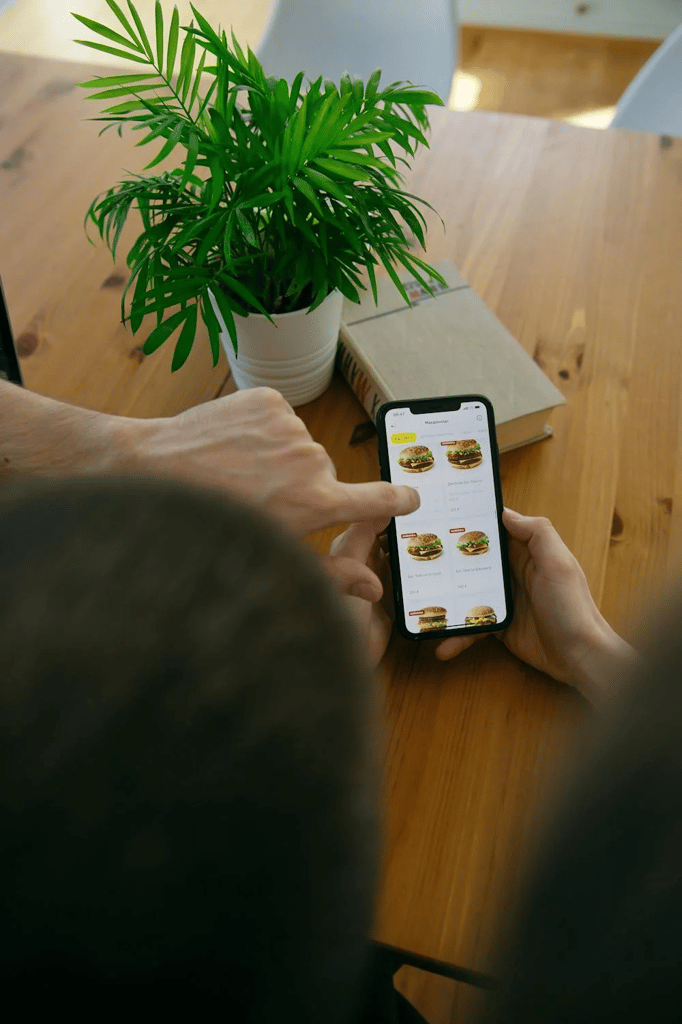

Related Blog Posts









Get the latest news and updates
Submit your email address to join our email list.