



















































How to Set Up a Successful Food Truck Business
 Rafael Antonio Dulce

More and more restaurateurs are turning to food truck businesses instead of regular brick-and-mortar stores. Food trucks have surged in popularity due to several factors: the COVID pandemic; their increasing presence in pop culture and reality TV shows; and the flexibility they offer in terms of cost and operations to budding entrepreneurs.
The bad news is that many food trucks fail. But here’s the good news: successful owners have plenty of valuable experience that came at considerable financial, physical, and emotional cost – while you can access these lessons without the accompanying pain if you continue reading this article.
These lessons can be summarized into the 4 D’s:
Do your homework
Do it like a business
Diversify your revenue, and
Digitize your operations.
Keep reading to get to the first and lengthiest part of this discussion: do your homework.
1. Do your homework
What do elite athletes and successful restaurateurs have in common? They do a lot of studying in preparation for each game.
While superstar athletes like LeBron James and Connor McGregor spend hours watching videos of their opponents’ performances, restaurant owners study a lot of things before they design a menu or cook a single dish.
The same thing applies to everyone who wants to be a successful food truck owner: do your homework before you even buy a food truck, so that all of your hard work and investment won’t go down the drain.
Choose Your Niche
Determine your food truck’s niche: the cuisine, the specific menu items, and what separates you from other food trucks and restaurants in the area.
If you’re going to serve burgers in a city where a lot of vendors and establishments offer them as well, no one will stop you. But consider what you could do to help the customer choose your burgers over others.
It’s likewise not as simple as selecting a cuisine and developing new dishes that no one else is serving. There might be a reason no one else is selling Japanese puffer fish, Scottish haggis, or Philippine-style duck eggs (balut): there may be no market for them in your area.
In addition, you also have to consider if your concept will work well in a food truck setting: can customers eat your offerings while standing up or sitting on a park bench? Will they need utensils? Can your food be cooked, assembled, and served quickly from within the limited kitchen space inside your vehicle?
It’s also never too early to identify areas where your truck will do business. Places with high foot traffic such as malls, business districts, university campuses, and popular nightlife areas are a good choice, as long as there aren’t already lots of competitors in the area.
Not all cities and countries are food truck-friendly, so it’s always a good idea to have multiple, creative options. For example, many breweries in the US state of Colorado don’t serve food because they aren’t required to, and it leads to simpler operations. Instead, they invite food trucks to park in front of their establishments.
Know Rules and Regulations
Some cities also have food truck parks which cater specifically to potential businesses like yours. As with any other location, weigh all factors before signing up for a spot: does the place have a lot of foot traffic? What fees do you have to pay? How about facilities and regulations?
Rules on operating such a business, parking your vehicle, and where you can sell food, to name a few, differ from country to country.
On the opposite end of the spectrum, some areas heavily regulate food trucks, and owners have to contend with different laws and ordinances at the national, city, and state levels. All of this has to figure in your research.
Permits go hand-in-hand with regulations. The most common ones are the same for restaurant owners: for operating a business, for handling and storing food, those from the local health department, and those from the fire department. You’re operating out of a literal truck, so permits regarding motor vehicles are also necessary.
Write Up Your Business Plan
Not every city requires food truck owners to provide this information, but including them in your initial research will save you a lot of headaches.
Where will you do your food preparation? Are you required to do it in a commissary kitchen?
How, and where, do you dispose of waste like grey water and used oil?
Where will you park the truck when it’s not in use?
All of this information should go into your Business Plan – the physical representation of all your research and preparation – along with the other usual information, including: costs and expenses (plan for unexpected expenditures!), where you will get your needed capital, and financial projections.

2. Do run your food truck like a business
Let’s assume you have now done everything in the previous section. Congratulations. It’s not yet time to kick back and relax because you’ve only done the groundwork. Now it’s time you start running it as efficiently as possible.
Streamline Tasks
Want to streamline your billing, inventory, and menu planning without investing in expensive software and hardware? Then the first order of business is to consider going on the cloud, and shift from a traditional POS system to a cloud-based one.
A cloud-based POS software solution will save you a lot in expenditures because you don’t have to buy proprietary hardware and pay for someone to install it: access it on the web, or just find a compatible tablet, download the POS software app, and you’re good to go.
Look for an solution that works both online and offline. That way, even when you’re in offline mode, all your transactions are saved on the device you’re using and get synced with your POS account information once you go online.
Simplify the Menu
Simplifying your menu is a great second step. Your truck has limited storage space and can fit very few people. At the same time, your customers expect quick service. Put those two factors together and it means that the less items you offer, the better.
But how can you attract customers if you only have a few items on the menu? Simple: you focus on bestsellers that are easy to prepare. If half of your sales comes from the house specialty, then it’s safe to cut down on other offerings, so kitchen staff can focus on that one item and you can dedicate more storage space to its ingredients.
Great restaurant POS systems have analytics reports that save you the hassle of figuring out which offerings you should keep. A POS system sales report can show how many times an item has been ordered within a certain period of time, as well as how much you made in sales individually.
Go Contactless
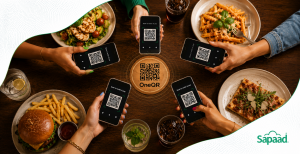
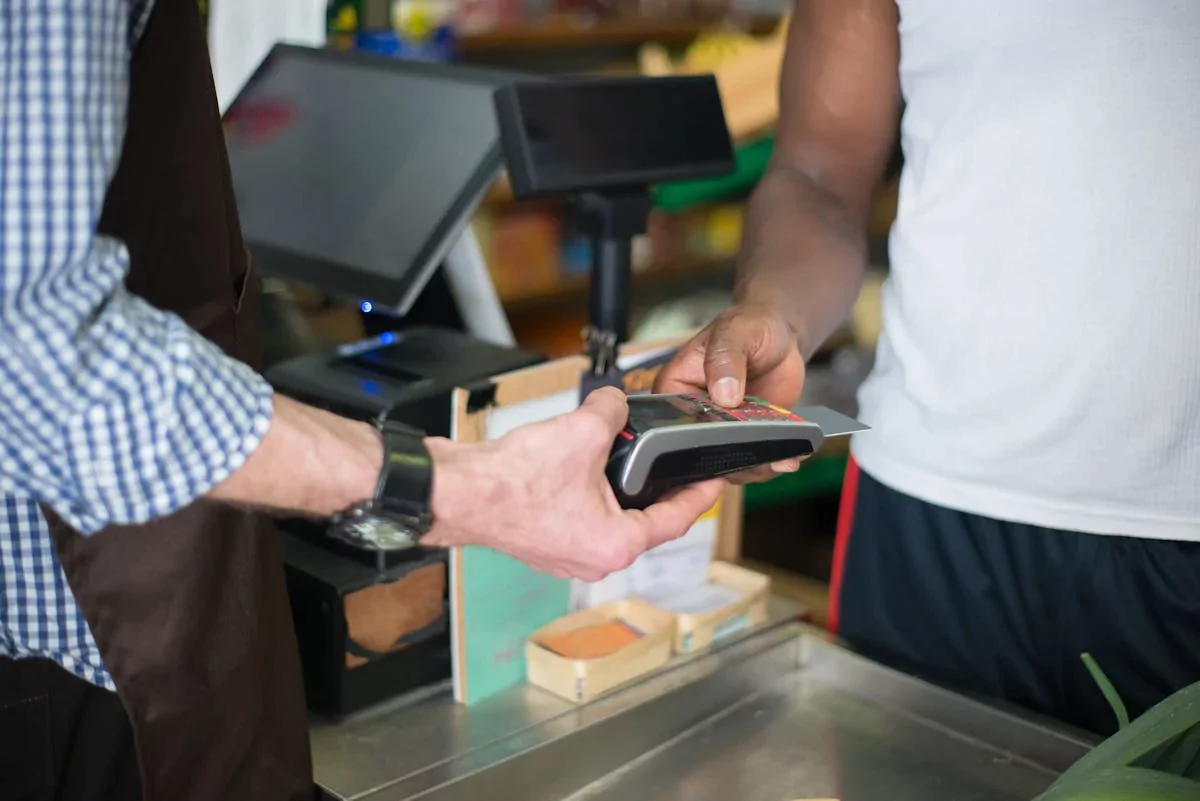
Enabling contactless ordering and payment via QR codes is a nice touch that your patrons will also appreciate. Long queues tell prospective customers to get their meal somewhere else. With QR code ordering, people can browse your digital menu at their own pace without causing a long line.
3. Diversify your food truck’s revenue
Having a vehicle as your place of business adds another layer of complexity to your operations, but it’s an advantage if you know how to use it.
We already mentioned making a list of spots with high foot traffic, but you should also consider going to public events and catering to private functions to diversify your revenue stream.
Identify the Right Events and Catering Opportunities
Public events such as concerts, festivals, carnivals, and fairs are obvious choices: a lot of potential customers crammed in a small area.
But more importantly, you should not be rushing to join every event. Why? Not all of them are made equal. Some don’t have the demographic that your food concept appeals to. Some don’t even have a lot of foot traffic.
There’s also the question of fees: how much would it cost you to get a slot at a particular event? There’s also the issue of competition: you might get into the biggest street party in your city, only to find that you’re parked between two trucks with the same food as yours.
Band with Other Food Truck Owners
One key to public events is working together with fellow food truck owners, preferably those who offer different concepts or cuisines. There are bound to be some veterans who are more than happy to point out which occasions are worth going to, and which ones should be avoided.
More importantly, experienced food truck owners tend to go around in groups, ensuring that they aren’t selling the same food in the same event. You can also learn a lot by just talking to them.
Food trucks catering to private functions have become popular in the US since the onset of the COVID pandemic.
The same rules apply here as with public events: know the terms beforehand and team up with other food trucks in the area.

4. Digitize Your Operations
Last but not least, we have technology: if you think an aspect of your business needs improvement, there is a tech solution for it.
Listen to the Data
We have said analytics are a way to make your menu efficient and competitive. But an excellent Business Dashboard gives you more than that: from a top-level summary of how your food truck is doing to specifics like stock on hand, time it takes to complete an order, top combo items, etc for any specific date and range.
Explore QR code use
We’ve also discussed QR code-based ordering and payment. Many quick-service restaurants (QSRs) now have their own app for making a purchase, but with QR codes, you’re saving customers time by linking them instantly to a digital menu.
Build your CRM and Loyalty base
Lastly, customer relationship management complements unique food and quick service in creating a large number of repeat customers. The ideal CRM tool enables food truck owners to record all their customers in a database, keep track of inactive ones, and reach out to them with SMS campaigns.
This can further be enhanced with a Loyalty Program tool that doesn’t burden patrons with lengthy paper forms, carry bulky plastic cards, or even download an app on their phone. A good Loyalty Program lets your staff enroll people in a matter of seconds with just a phone number.
All of these tools are important, but no one can blame food truck owners if choosing from a plethora of restaurant tech solutions feels overwhelming. That’s why the best investment when digitizing your business is finding a system that has everything you need.
Capturing Your Customers’ Attention
Let’s repeat the 4D’s for successful food truck businesses: do your homework, do it like a business, diversify your revenue, and digitize your operations.
Research and preparation are critical to any restaurant food business. Many challenges are common, and as a result are avoidable if you learn from those who have experienced them.
Digital tools can dramatically improve your food truck by streamlining operations and collecting data that allows you to study your customers’ behavior.
Streamlining can make the whole ordering process easier, reduce turnaround times, and eliminate errors. Studying customer behavior enables you to repeat what customers like, improve other areas of your operations, and eliminate anything that doesn’t add value.
This allows you to deliver a perfect customer experience, something crucial in an industry where your first impression is often the only chance you get.
Rafael Antonio Dulce
Author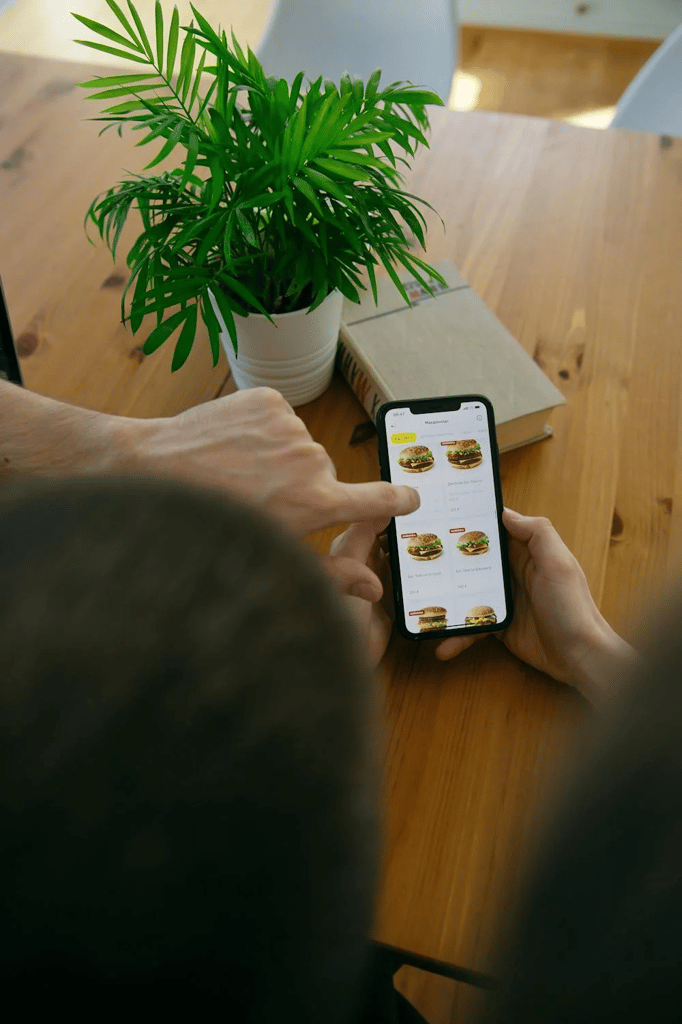

Related Blog Posts




















Get the latest news and updates
Submit your email address to join our email list.