


































7 Simple Techniques to Maximize Restaurant Profit
 Ian Galero

Owning a restaurant is both a passion and a business. While delivering a wonderful dining experience should always be your top priority, delighted guests and five-star reviews won’t matter much if your restaurant isn’t earning enough to thrive.
Nowadays, restaurant owners are still dealing with tight margins, rising food and labor costs, and growing online competition. But the good news? You don’t need to spend more to earn more. With a few small tweaks to how you operate, you can squeeze more value out of what you’re already doing—and actually see real results.
Here are five simple techniques that can help you boost your profit with little to no extra cost. These are easy to try, low-risk, and worth experimenting with.

Tip #1: Train Your Staff to Give Menu Suggestions to Diners
Word-of-mouth is still one of the most powerful marketing tools. In the same way, the power of suggestion—especially from your waitstaff—can influence what your customers order.
Picture this: a guest walks in, unsure of what to get. Maybe they’re in a rush or just overwhelmed by too many choices. Instead of waiting for them to scroll or scan every page of your menu, your staff could step in and recommend a couple of standout items. Maybe your best-seller, or something seasonal. It can help speed up processing of orders and increase order spend.
In 2025, this matters more than ever. Diners are often distracted or ordering with their phones. A helpful suggestion from a real person can feel more personal and trustworthy.
Here’s what you can do:
- Train your staff to know your menu inside-out. Let them taste your dishes if possible.
- Highlight combos or high-margin items they can easily recommend.
- Encourage them to ask casual questions like: “Are you into something spicy today?” or
“If you’re hungry, the grilled lamb with saffron rice is a customer favorite.”

Tip #2: Offer a Middle Option
There’s a bit of psychology at play when people choose what to order, and you can definitely use it to your advantage.
Customers tend to avoid the cheapest and the most expensive items. That’s called the compromise effect. When you offer three versions of something—say, small, medium, and large—people often pick the middle one because it feels like the “safe” choice.
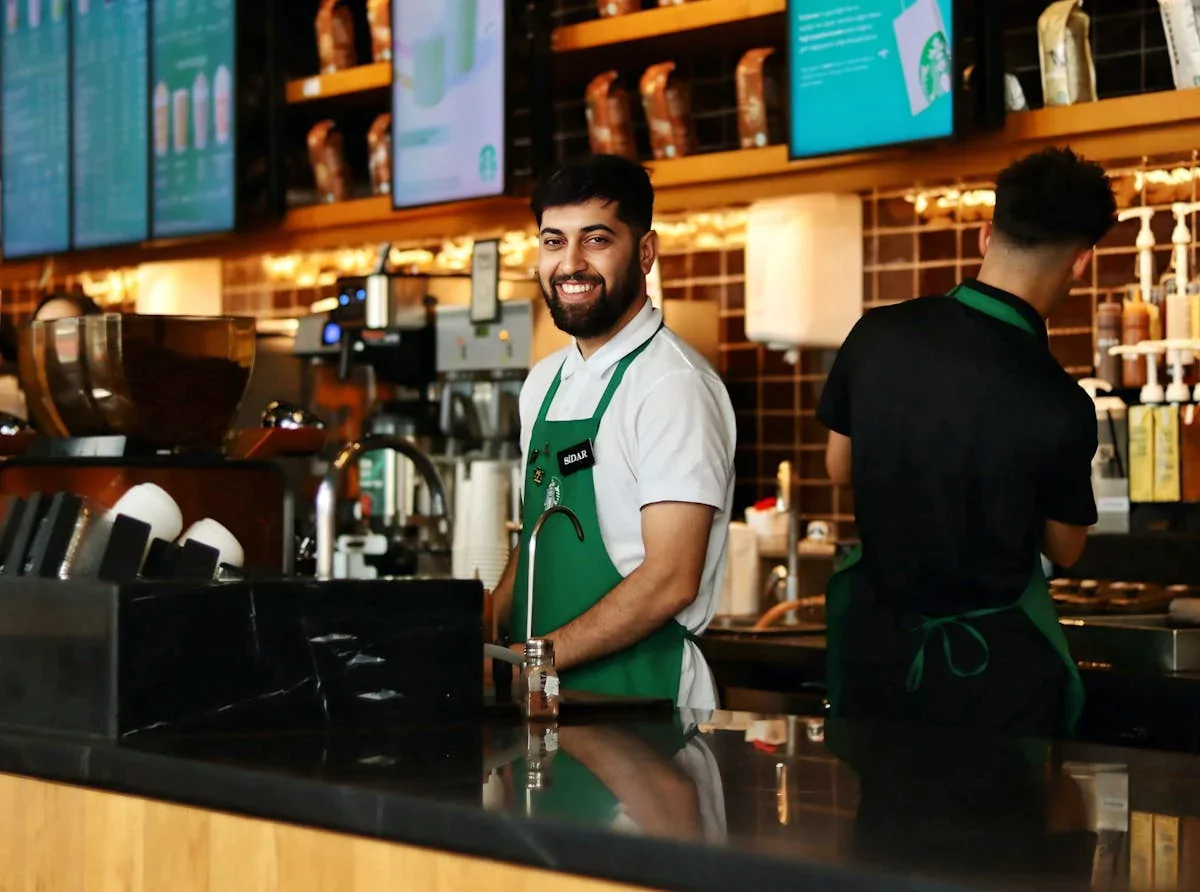
Starbucks nailed this when they restructured their drink sizes years ago. Now? Most people go for the Grande. Not too small, not too big. It’s just right.
So what does this mean for your menu?
- Offer tiered options for your meals or drinks.
- Price them in a way that makes the middle option your most profitable.
- If you’re designing a physical menu, put that item right in the middle—it draws more attention thanks to the center-stage effect.
Even for digital menus or QR menus, where layout matters, you can highlight your “middle” option with badges like “Most Popular” or “Best Value.” You’re not forcing anyone to choose it—you’re just making it the most attractive option.

Tip #3: Have a Separate Dessert Menu
Sometimes it’s not about what you serve, it’s when you show it.
When your main menu includes appetizers, mains, and desserts all at once, it’s easy for diners to skip over the sweets. They’re focused on choosing their main dish, not planning ahead for dessert.
Having a separate dessert menu helps for three reasons:
- Timing. Present it at the end of the meal, when guests are more relaxed and open to something sweet.
- Attention. It puts your desserts in the spotlight instead of hiding them on the last page.
- Simplicity. It makes it easier for your staff to focus the conversation and recommend something delicious without juggling too many items.
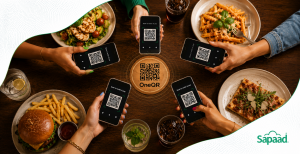
Nowadays, it’s all about experience. A simple, nicely presented dessert menu (even a QR code on a tent card) can elevate the dining moment and sneak in those extra sales.
And remember: there’s always room for dessert.

Tip #4: Take Advantage of Seasonal Holidays or Celebrations
Every season brings a shift in mood, and with it comes cravings.
In the summer, people want coolers, smoothies, and fresh bowls. Come December, it’s hot chocolate, ginger spice desserts, and comfort food. And don’t forget local holidays and cultural celebrations, they’re a goldmine for themed specials.
You don’t need a full menu overhaul. You just need a smart seasonal push.
Here’s how to make it work:
- Look back at your existing restaurant data. What sold well last Ramadan? What spiked during New Year?
- Plan ahead with limited-time offers that feel timely and festive.
- Create easy bundles—like a “Valentine’s Day Couple Set” or a “Summer Sips Sampler.”
These mini-campaigns keep your menu feeling fresh and give your regulars something new to try.

Tip #5: Rearrange Your Online Menu
Online ordering isn’t just an add-on anymore, it’s a core part of your business. An essential revenue channel.
With more and more customers ordering through apps, websites, and QR codes, your digital menu needs just as much attention as your dine-in one, if not more.
The challenge? On a phone screen, people don’t see everything. If your best-selling or most profitable dishes are buried under layers of scrolling, you’re missing out.
What to do:
- Put high-margin items near the top.
- Use clear labels like “New” or “Best Seller.”
- Make sure your categories are clean and logical.
Many modern POS systems now offer menu sequencing tools. With a few clicks, you can test different layouts and even sync them across delivery platforms automatically.
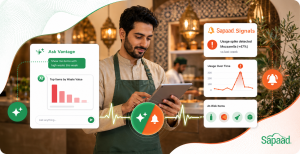
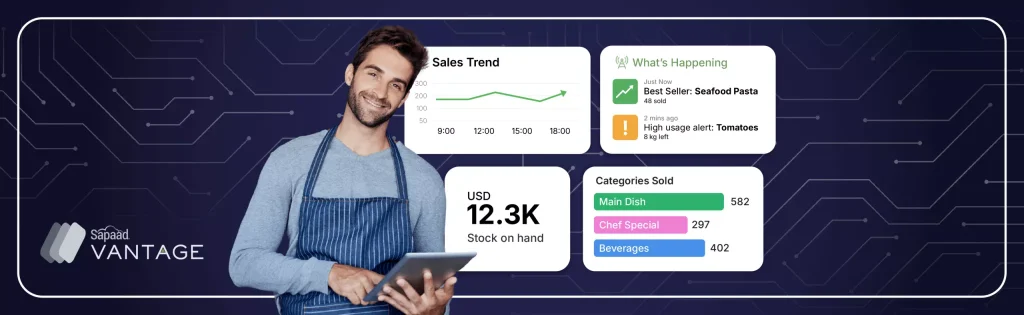
If you’re already using a system like Sapaad, you can utilize Sapaad Vantage to get full visibility on your menu performance.

Tip #6 Use Data to Control Your Costs
Keeping your restaurant profitable isn’t just about bringing in more customers. Nowadays, it’s all about watching your expenses, your losses, your costs.
Food prices, rent, and labor costs are climbing, which means, if you’re not careful, your margins can slip fast. That’s where using smarter tools comes in. Modern POS systems with in-built smart tools, like Sapaad Vantage, give you a clearer picture of where your money is going, right down to the ingredient level.
Here’s how it can help:
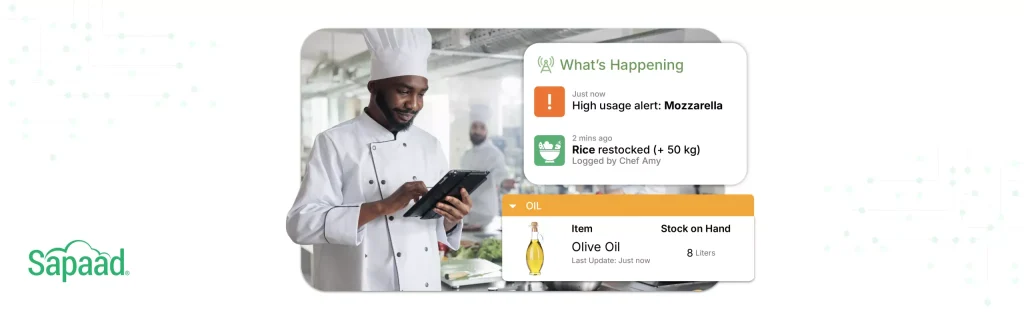
- Track food costs in real time: Know exactly what you’re spending, and spot over-portioning or wastage before it becomes a bigger problem.
- Get smart inventory alerts: Receive notifications when items fall below safe levels or when your COGS exceed your targets.
- Benchmark and forecast performance: Compare outlets, seasons, or sales periods to spot trends—and plan smarter for the future.
7. Add a Kiosk (and Open a New Revenue Window)
Kiosks are no longer just a trend. Over the years, influenced by contactless ordering options, they’ve become a practical way to speed up service, reduce wait times, and boost average order size.
For busy restaurants, they’re especially beneficial during rush hours or peak weekends. Kiosks are perfect for high-volume, high-traffic restaurants that need help managing how to take in orders as fast as possible and streamlining it to their kitchen display system.
Here’s what kiosks can do for you:
- Speed up the line: Guests can order instantly without waiting for a cashier.
- Upsell automatically: Kiosks never forget to ask if they want fries or a dessert.
- Support more customers: Offer multi-language options for tourists and diverse communities.
And the best part? Kiosks often lead to bigger orders. When guests have more time to explore the menu, they tend to spend more. Additionally, you can program your kiosks to recommend the best pairings per menu item which then leads to bigger order sizes.
Final Thoughts: Profit Without the Price Tag
You don’t always need a big-budget marketing campaign or a menu redesign to improve your profit. Sometimes, it’s just about doing the small things better.
✅ Train your team to be more proactive
✅ Use pricing psychology to your advantage
✅ Present your menu smarter—both on paper and on screen
✅ Let the seasons inspire your specials
✅ And track what works using the tools you already have
✅ Stay on top of your costs by tracking your data
✅ Open a new revenue channel with kiosks
Owning a restaurant means constantly adapting—and that’s part of the fun. Try new things, test your results, and keep building on what works. In today’s fast-changing food world, your flexibility and creativity are your biggest assets.
Ian Galero
Author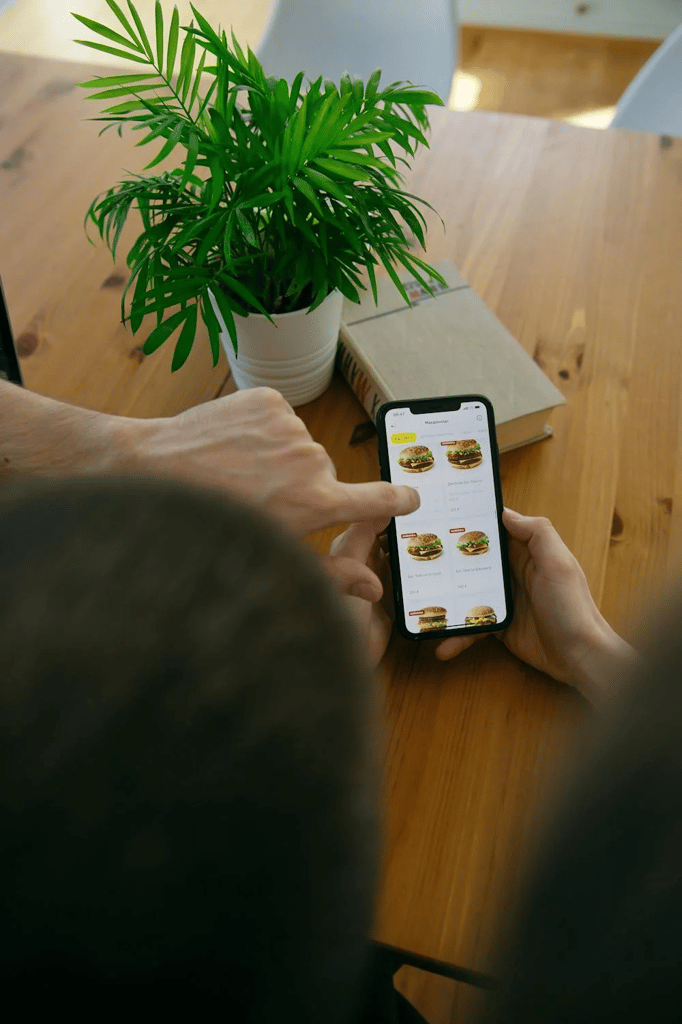

Related Blog Posts



Get the latest news and updates
Submit your email address to join our email list.