




























3 Ways A Table Service App Transforms Table Management
 Sapaad Content Team
Inefficient table management is a common challenge for many dine-in restaurants, resulting in decreased customer satisfaction and revenue. For restaurant owners, maximizing the dining space significantly impacts the bottom line.
A table service app can address these challenges and provide a seamless dining experience for your customers. Read on to discover how.
1. Maximize Table Occupancy and Seating Arrangements
Inefficient seating occurs due to poor table arrangements, a lack of available tables, or the staff’s unawareness of available seating options. In some cases, customers may also request specific seating arrangements.
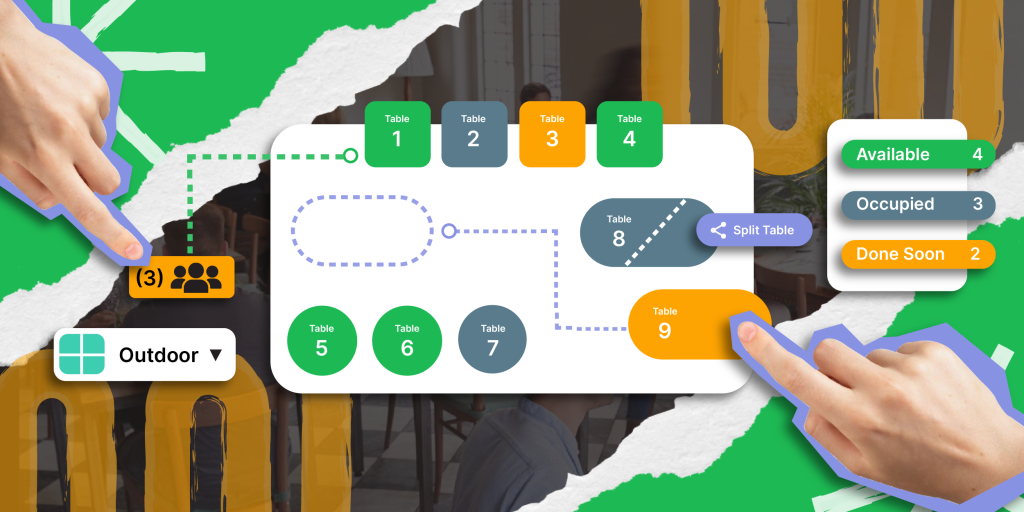
A table service app can address these issues by providing an accurate and up-to-date view of table availability, enabling waitstaff to seat customers more efficiently. Seeing real-time table status can help servers suggest optimal seating arrangements based on group size, preferences, and other factors, ensuring that tables are filled quickly and efficiently.
Additionally, a waiter app can assist waitstaff in splitting or moving tables to accommodate changes in group size or seating preferences. Customers appreciate quick service and the ability to dine comfortably, making it more likely for them to return and recommend the restaurant to others.

2. Streamline Customer Flow and Prevent Overcapacity
During peak hours, busy dine-in restaurants face the issue of walk-ins hoping to be seated even without a reservation. This is challenging when receptionists fail to have visibility of table occupancy and accept on-the-spot reservations beyond their seating capacity. Customers either wait a long time to be seated or leave, resulting in a negative dining experience.
Using a waiter app, restaurants can manage their waiting guests more effectively by getting real-time updates on table availability. They can know which tables are occupied, which are available, and when a table is expected to be vacated.
By seeing the table status on their mobile device, staff can make quick judgments about accepting walk-ins beyond what the restaurant can accommodate, preventing overcapacity and dissatisfied guests.
3. Increase Table Turnover
Limited table turnovers can be a significant pain point for many restaurants. When tables aren’t turned over quickly enough, customers wait longer to be seated, leading to less revenue. Several factors can contribute to limited table turnovers, such as slow service, inefficient ordering systems, and delayed payment processing.
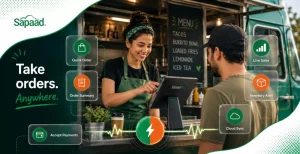
A waiter app can address these issues by streamlining the ordering and payment processes. Servers can take orders from a tablet or mobile phone and send them straight to the kitchen, eliminating the need for handwritten order slips.
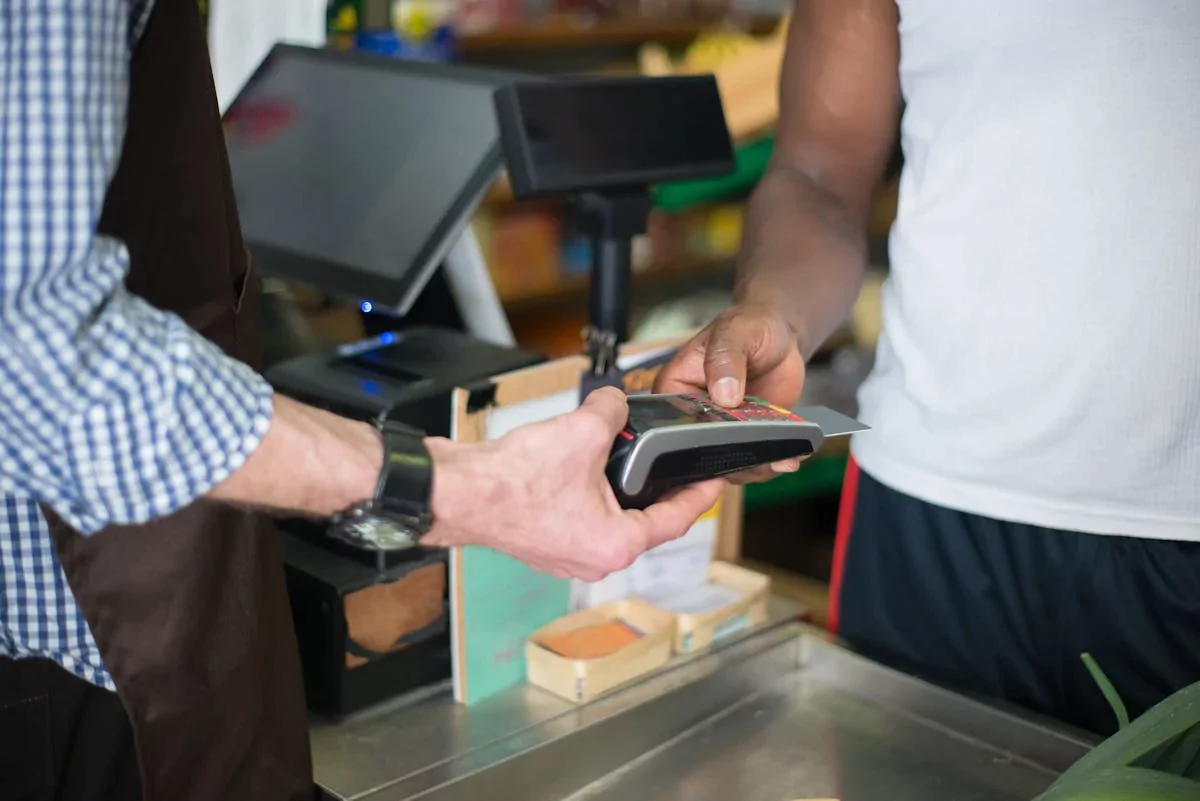
When it’s time to pay, servers can process customer payments directly at the table, reducing the need for back and forths with the cashier. This can significantly reduce the time customers spend at the table, increasing turnover rates and allowing more customers to be served.
Table service apps significantly improve a restaurant’s table management system by streamlining ordering, payment, and seating arrangements. By leveraging technology to optimize the dining experience, restaurant owners can enhance customer satisfaction, reduce wait times, and increase revenue.
Sapaad Content Team
Author

Related Blog Posts




Get the latest news and updates
Submit your email address to join our email list.