








































12 Best Restaurant Inventory Management Practices
 Sam Sendhil
Restaurant inventory management can be a challenging task even for the most experienced restaurateurs. Owners and operators pour precious time, effort, and money into streamlining a complex process that includes order and storage planning, forecasting, and budgeting.
A strong restaurant inventory management program is essential. It should align with your business’s unique needs while adhering to industry standards to meet customer expectations and revenue goals.
Here are 12 essential practices to streamline and enhance your restaurant’s kitchen inventory management.
- Learn your ABCs
Start off with your ABCs. ABC analysis is a process that classifies your inventory into categories A, B, and C, in order of decreasing value.
ABC analysis aids inventory control by allowing management to concentrate its sales efforts on the highest-value commodities (A-items) in relation to lower-value goods (C-items). This is based on the Pareto principle, which states that 20% of your best-selling products account for 80% of your entire revenue.
Some examples of ABC goods in your restaurant maybe
- A – Expensive meats like Wagyu; seafood like abalone and caviar, and fresh produce.
- B – Grains like rice and lentils, pasta, and dairy products.
- C – Cooking oils, salt, sugar, and produce that does not spoil easily.
Restaurants can begin to see increases in their profit margin when they focus more heavily on the A-items and exhaust them before spoilage. This means giving them top menu priority as soon as they arrive. If they remain unsold and are close to reaching the end of their shelf life, it’s time to offer them as evening specials or on a discount.
- Know Your Inventory KPIs
KPIs are an important aspect of restaurant inventory management because they provide vital data on inventory turnover, sales, customer demand, purchases, expenses, and more. It’s also good practice to track key aspects of your inventory, like storage costs, expired or unsold items, stock movement rate, and how quickly inventory is restocked.
Inventory KPIs reduce guesswork by setting clear goals for you to achieve each day, quarter, or financial year. Setting goals and following KPIs equip restaurants with the data they need to make strategic business decisions that bring the most profits.

- Track and Batch Your Inventory
Keeping an eye on your inventory regularly – whether it’s once a week or even every month – is crucial to avoid under or overstocking. Switching to a digital system can make this process easier by reducing human errors and providing crucial information.
Batch tracking – especially for items nearing expiration – helps monitor stock effectively and minimize waste. Grouping similar items simplifies tracking, whether it’s addressing damaged packaging or ensuring older stock is prioritized for use.
Using a cloud-based POS system with integrated inventory management simplifies stocktakes by automating processes like matching stock counts against records. This approach helps identify and resolve discrepancies – such as mismatched quantities or missing items – quickly and accurately.
[acf_delivery_banner]
- Implement Effective Purchasing Procedures
One important aspect of restaurant inventory management is ensuring that your inventory levels can fulfill restaurant demand at all times.
Making accurate estimates helps you determine your restaurant’s ideal Periodic Automatic Replenishment (or PAR) levels for ingredients and other inventory items. PAR levels help restaurants keep enough inventory on hand, but at levels that reduce the risk of overstocking, spoilage, and wastage.
To determine optimal PAR levels, restaurants can take a look at their sales trends. This gives them an idea of which stocks move slowly, or not at all. With this information, you can revise stocking parameters for these items to match usage patterns more accurately.
Inventory management software is essential to analyzing your sales data and inventory pipeline. With this technology, you can cut long-term storage costs while boosting your bottom line.

- Pay Attention To Food Loss
Restaurants waste up to 10% of the food they buy before it even reaches the customer, leading to substantial but avoidable costs that cut into your profits. Instances such as misplaced orders, missed ingredient substitutions to accommodate food allergies, inaccurate portion sizes, and order cancellations due to long wait times all contribute to restaurant waste.
Tracking and reducing food waste is crucial for your restaurant’s success. Start by taking note of spoilage and sorting out different waste types, like kitchen scraps, spoiled goods, or what’s left on plates after a meal. That way, it’s easier to see what’s happening by studying trends and coming up with a more optimized waste-reduction plan.
[acf_delivery_banner]
- Adopt Standard Inventory Principles (First-In, First-Out)
The FIFO (First-In, First-Out) method is a cornerstone of effective inventory management in restaurants. Using older stock first instead of new ones can help you minimize waste, maintain food freshness, and save costs. Here’s how you can apply FIFO effectively in your restaurant:
- Organize Your Storage: Arrange the shelves so older items are at the front or top, so they can be used first.
- Label All Items: Use labels with purchase or expiration dates to make sure your staff can identify which items to use first.
- Train Your Team Regularly: Train your employees so they can understand FIFO and follow it when stocking and using inventory.
- Perform Regular Stock Checks: Hold regular audits to ensure that older items are being used first.
- Use Inventory Software: Quit the manual approach and use an automated system instead to make the process easier.
Implementing the FIFO method is a simple yet powerful way to improve inventory efficiency, reduce waste, and enhance the quality of food served.
- Forecast Demand
Demand forecasting plays a key role in boosting restaurant performance and maximizing revenue. It’s not just for large corporations – every restaurant, big or small, benefits from accurate sales predictions. Why? Because forecasting helps you optimize resources, streamline inventory management, and uncover new revenue opportunities. When you know what your customers want, you can avoid overstocking, reduce food waste, and ensure your staff is ready for peak times.

To stay ahead, start by reviewing what sells and what doesn’t. Dive into market trends to spot opportunities that could drive sales for both regular menu items and special promotions. With a little effort, you can align your operations with customer demand, ensuring steady growth and satisfied diners.
- Maximize Inventory Turnover
If your restaurant is understocked, you risk disappointing customers by not being able to fulfill regular orders and occasional special requests. On the other hand, overstocking can lead to an increase in food waste as you inevitably have to throw out perishable items. So how do you determine the right balance?
One good tip when it comes to maximizing your inventory turnover is to buy and serve seasonally.
When you revamp your menu and change your offerings each season, you have a chance to showcase the best and freshest ingredients on hand. Moreover, local seasonal produce makes it easier for you to cut down on transport costs and reduce your carbon footprint.
Incidentally collaborating with local suppliers shows that you care for your local economy and gives you a path to build your brand as ethical and sustainable. Avoiding waste and sourcing locally are matters of concern for frequent, environmentally conscious diners.
- Practice Quality Control

Establishing and maintaining food quality standards is crucial to every restaurant. This ensures food safety and satisfaction and reduces the chance of wasted food or orders sent to the kitchen.
Your kitchen staff should perform daily quality checks to ensure all ingredients are fresh and safe to use before cooking or serving.
Any drop or lapse in quality should be investigated for handling and storage issues. Problems with order deliveries should be reported back to the purchasing staff for feedback to the supplier.
- Factor in Logistics
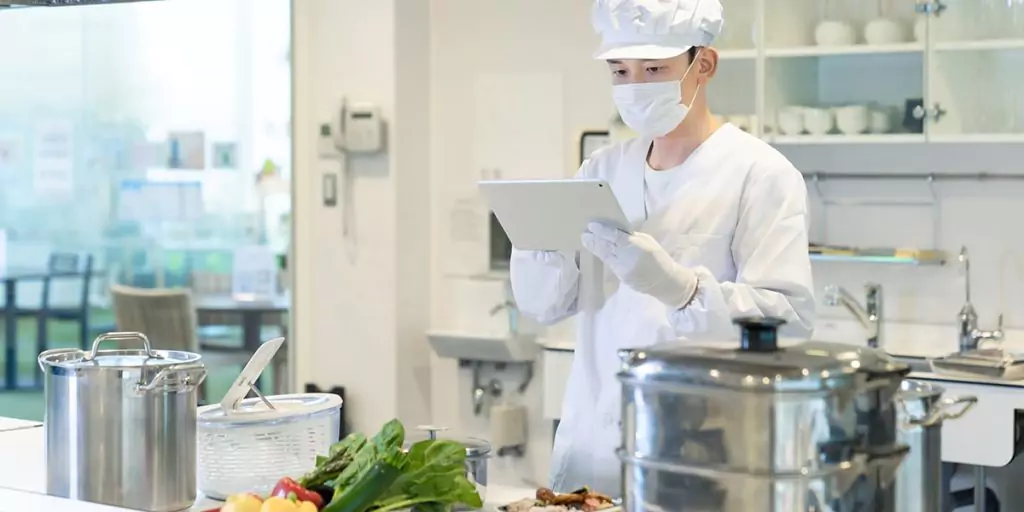
Let’s recall the 7Rs of logistics: getting the Right Product, in the Right Quantity, in the Right Condition, at the Right place, at the Right time, to the Right Customer, at the Right Price to always keep revenue in check.
Inventory transport and handling before any items get to your kitchen is critical. Calculating the costs of transportation, freight, packaging, warehousing, as well as inventory purchasing and replenishment inventory, are vital to any restaurant supply chain. They are costly, extremely labor-intensive, and time-consuming processes.
Restaurant owners should carefully supervise everything from raw material sourcing, storage and handling, and kitchen preparation to preserve the quality of their ingredients. It’s good to remember that the inventory that sits in your storage the longest is going to cost you the most when it comes to logistics expenses.
Lastly, you should also consider using the right storage boxes, fridges, and shelves to keep what you need fresh and neatly arranged. Airtight boxes protect food from being contaminated while using the right shelves prevents items from damage and ensures they stay in good condition.
- Determine Your True Inventory Budget And Stick To It
When evaluating inventory expenses, bear in mind the restaurant’s profitability as well as the purchasing power of your customers.
Establishing a sustainable inventory budget is important for restaurant sustainability.
One very important aspect of inventory budgeting is to estimate the carrying costs of all unsold inventory items. Logistics and transportation, warehousing and storage equipment, depreciation, taxes, and insurance contribute to overall inventory cost. All of these should be factored into your inventory purchasing and management budget.
- Do you store thousands of expensive wine bottles in refrigerated displays?
- Pay additional taxes on heavy-duty electronic equipment for your kitchen?
- Spend on overnight courier services for expensive, highly perishable ingredients from around the world?
Inventory carrying costs may add up anywhere from 15 to 30% of what you allocate toward the purchase of inventory goods.
Once you’ve figured out how to calculate your inventory costs, decide on your inventory budget – and stick to it.
- Automate Inventory Management Procedures With The Right POS System
When businesses make the move towards automating their restaurant inventory management, many of these processes become simpler to manage.
A great restaurant inventory management system forecasts how long the present stock will last, updates existing inventory levels, and enables you to raise inventory purchase orders when items are running out.
This kind of system also generates detailed inventory management reports and assigns rights to access and management of inventory on hand.
Explore newer restaurant management solutions and technologies to help your restaurant work more efficiently. Efficient control over inventory procedures reduces the risk of waste, theft, or misuse of your precious resources.
Bonus Tip:
Use Analytics for Smarter Decisions
Harness the power of advanced inventory management software with predictive analytics to make smarter, data-driven decisions and stay ahead of fluctuating demand. These tools can help you analyze historical sales trends, seasonal shifts, and upcoming events to forecast which items you’ll need more (or less) of. This helps optimize inventory levels, cut waste, and keep your operations running smoothly.
With predictive data, you can anticipate demand spikes, avoid stockouts, and proactively plan for busy seasons, giving you a huge edge over competitors.
Effective inventory management is the backbone of a profitable and efficient restaurant. From using analytics to minimizing waste and tracking stock accurately, these best practices help you reduce costs, streamline operations, and boost your bottom line.
With the right tools and strategies in place, you can stay ahead of the competition while delivering an exceptional customer experience.
Take control of your inventory with Sapaad to ensure better profitability and long-term success for your restaurant tomorrow.
[acf_delivery_banner]
Sam Sendhil
Author

Related Blog Posts
















Get the latest news and updates
Submit your email address to join our email list.