














































Shaping A Diet-Friendly Restaurant
 Mirash T
At some point in time, we’ve asked ourselves whether we should exercise, follow strict dietary restrictions or just eat right to lead a healthier, longer life. But, what is “eating right” all about when the concept seems to evolve so often?
As restaurants try to understand the market from a consumer perspective, a recent study by McKinsey and Company narrows it down to six factors that customers value the most when it comes to leading a better lifestyle: a better lifestyle, health, fitness, nutrition, appearance, sleep, and mindfulness.
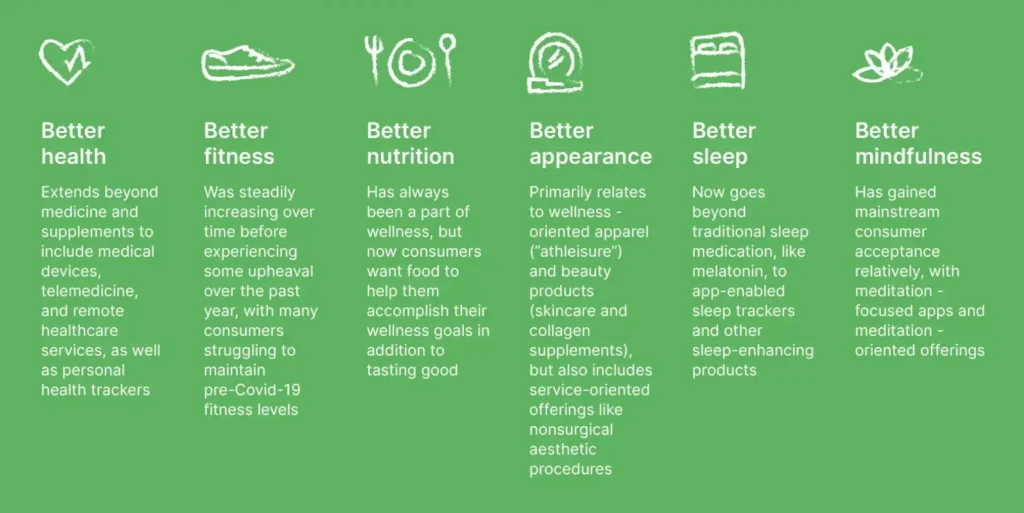
According to another McKinsey & Company survey, better health is consistently the most significant wellness dimension and the one with the highest amount of spending.
This makes sense, as health, fitness, and nutrition are centered around and intricately connected with the food we consume. Customers expect food to taste good while being affordable, conscious, and clean.
Experts saw global sales of food products labeled “healthy” valued at $1 trillion back in 2017. With menus becoming more inclined toward niche diets, restaurants and cloud kitchens that cater to these special dietary restrictions are projected to see an increase in sales.
As a restaurant owner, you’ve probably heard customers say they can’t have meat, gluten, sugar, or carbs, or that they can only have plant-based, organic, vegan, lactose-free food. While it is nearly impossible for a restaurant to cater to all the needs of their customers, it helps their customer service in a big way when they cater to these evolving attitudes towards food and consumer behavior.
The restaurant sector has been strongly impacted by the increase in people’s disposable income and their growing desire to live an active, conscious lifestyle. As a result, people are willing to pay a premium for food that reflects their values, and it has had a significant influence on restaurant menus.
Addressing Customer Dietary Restrictions
Why is it important to engineer your menu with dietary restrictions in mind?
Your menu can make or break your business, so addressing these requests is important to building (and protecting) positive brand reputation. You’ll need a simple, systematic approach to adapt your offers to your customers’ changing likes and preferences.
In the food and beverage industry, functional ingredients are essential in maintaining food costs and profit margins. Meanwhile, menu items that suit various dietary restrictions and the restaurants that serve them are garnering interest and building a name for themselves. These items could even be helping you cut down on food waste and save money in the longer run.
For a restaurant trying to capture an audience with dietary restrictions, they should
- Ensure customers see and understand nutritional information on their menus.
- Optimize the nutritional value of their meals and offer various alternatives to customers
- Add environmental cues that support healthier eating lifestyles (for example, veganism)
Menu development is a difficult task that may be easier with the right technologies. This gives you a flexible menu with alternatives and robust data analytics to make changes to your menu without affecting your operating costs or the kitchen’s flow. Along with including diet-specific dishes on your restaurant’s menu, it’s also critical to design the menu in an appealing manner. The menu should be able to resonate with the client and their habits.
The use of a comprehensive Point-of-Sale restaurant management system can assist restaurants in creating the most suitable menu and lowering their food expenditures. Inventory Management software standardizes your recipes and raw material costs. The restaurant owner can easily update their recipes according to the changes they make to the menu to incorporate and introduce healthier, diet-friendly alternatives.
[acf_delivery_banner]
Tackling Dietary Restrictions
“I am on a diet. I can’t eat x, y, z” – If you work in a restaurant, you probably hear this every day. The current food scene is flooded with various diets, like Paleo360, Gluten-free, Vegan, Vegetarian, Pescatarian, and the list keeps building every day. A study conducted by the International Food Information Council Foundation reveals that nearly 36% of Americans reported following some special diet for various reasons. The study also found that people aged 18-24 are most likely to follow a special diet.
If you think that the #1 reason people go on diets is that they want to lose weight, it is time to think again. Sure, everyone wants to look good in their favorite clothes, but surprisingly, aesthetics were not the primary motivator for people to improve their eating habits. Instead, improving cardiovascular health is the top diet-related aim by 20% of customers. Weight loss and weight control came in second at 18%, followed by enhanced energy at 13%.

Dietary restrictions have a variety of causes, which vary from individual to person. However, the following are a few more common ones that restaurants should look out for to be more inclusive of their diverse clientele.
Allergens and Intolerance
- Dairy intolerance, fish and shellfish allergies, nut allergies, and gluten intolerance
Special Diets
- Vegetarianism, veganism, pescetarianism, lacto-ovo vegetarianism
- Pregnancy-induced specific dietary needs
Religion and Customs
- Halal, Kosher
- Mormon restrictions on alcohol, coffee, tea
- Hindu restrictions on beef
With growing concerns over health and the environment, our diets keep evolving. Restaurants can tackle dietary restrictions by:
- Identifying emerging dietary habits and offering menu items accordingly
- Reinforcing new trends in the food space
- Aligning the restaurant’s brand message to customer’s mindset
- Understanding customer preferences and attitudes at a deeper level for long-term, sustainable change.
Restaurants that try to reach customers by ignoring today’s wide range of dietary restrictions and habits are fighting an uphill battle in sales and marketing. However, before delving into accommodating these dietary restrictions into your menu, there are a few things to consider.
- Understanding Your Customer’s Needs
Find out the restrictions and special requests your restaurant receives the most frequently. For example, if you notice most requests are around whether a particular item has gluten, you can work on an entirely gluten-free menu.
Knowing as much as you can about your customer is the first step in catering to their specific dietary restrictions. You can reorganize your menu effectively if you can adequately identify the primary requests from your diners.
- Partner With Local Suppliers
Check your local suppliers to see if they stock specialized food products (e.g. gluten-free pasta, keto bread, etc.) that can cater to your customers’ needs.
This is a great way to improve your restaurant’s drive to cater to more diverse diets while also helping to uplift your local economy.
- Use Labels As Identifiers
Look for a list of menu items that fall in the range of special dietary items. For example, if your bread is already made of no eggs, you can mark them as ‘egg-free’ to appeal to people who do not eat eggs. Adding labels, icons, and tags to your food items is a great way to help customers identify what item suits their needs the most.
You can even create a separate digital menu to distinguish vegetarian, vegan, and gluten-free alternatives from the rest of your menu to personally target these audiences.

- Educate Staff On Ingredients
Most restaurants do not specify all of the ingredients used in each meal on their menus, and your customers may be unsure which dishes are suitable for their dietary requirements. Make a list of the most common ingredients for each food item and educate your staff on potential allergen information. Customers are always pleased and pleasantly surprised if a staff member can give them the answers they want, which creates a pleasant customer experience.
- Revamp Your Menu
This doesn’t mean you have to eliminate your menu entirely. Still, there are certain practices you can adopt to address people on special diets, such as providing gluten-free options and properly labeling alternative meals on your menu.
It’s critical to keep track of how well these special menu items are selling. Having a reliable POS system may help you quickly analyze each item’s data on your menu, allowing you to refashion your offerings in response to customer demands and market trends. In addition, you’ll be your clients’ go-to restaurant for years if you stay on top of their dietary needs.
Engineering your menu around dietary restrictions with the power of a POS system
Modern cloud-based POS systems for restaurants perform a lot more functionalities than just process sales. As a result, POS systems have transformed into complete restaurant management solutions that seamlessly integrate all aspects of a restaurant business. It has become critical to use a POS system that contributes significantly to a restaurant’s success.
The flexibility to update the menu digitally as trends come and go saves the need for menu reprints or updating menu boards are some of the benefits of using POS software for your restaurant. Restaurants can also save a lot of time on staff briefing to educate them on the new changes happening every day or every week. The digital choices provided by contemporary POS systems relieve your team of burdensome tasks while also helping to define your restaurant’s brand.
A cutting-edge POS software provides intriguing opportunities to upgrade and expand your menu offerings based on what your customers want. Behind the scenes, restaurants can quickly make modifications or add customization choices, which you can then push to your restaurant hosts and kitchen staff.
The kitchen staff will see customization and special requests of customers in real-time via a Kitchen Display System, while the servers can access them on their tablets to make sure the food is prepared exactly how the customer wants it to be and is perfectly safe for them to consume.

The rising popularity of vegetarianism, veganism, and the increasing proportion of diners who are allergic to specific foods or food components (such as gluten or nuts) massively influence how restaurants serve their clients. A sophisticated POS system assists restaurants in ensuring that clients may enjoy their favorite foods without fear of adverse reactions.
One of the most significant advantages of a cloud-based POS system for restaurants is its mobility—hosts, servers, and kitchen staff can retrieve customer orders via tablet, smartphone, or a Kitchen Display System (KDS). A diner who is new to your premise will not be sure about how well the restaurant would accommodate their restrictions. With a POS system, all of the information that servers require to address diners’ questions about menu items is at their fingertips. For example, they can quickly tell whether certain items qualify as being vegan, vegetarian, nut-free, or shellfish-free with a few taps. Restaurants that make the ordering and dining experience more accessible for their customers benefit greatly in the form of increased sales, repeat visits, and goodwill.
These features and more are supported by a restaurant’s cloud-based POS system, which provides sophisticated, innovative software that operates on simple, affordable hardware, such as a tablet or a computer. As a result, restaurant managers can access sales, inventory, and customer data at any time to learn more about the dietary restrictions of repeat customers and accommodate the requests of newer customers.
[acf_delivery_banner]
Dietary Habits Revolutionize The Food Industry
Among the top trends that revolutionized the food industry in recent years, healthier eating habits and the need for transparency have driven massive changes in consumer behavior.
As customers become increasingly health-conscious, they want to know and comprehend what ingredients are added to their food. As a result, customers choose companies who are transparent about their products and mirror their values, such as dietary choices and habits.
Customers seek out a company’s story, vision, sustainability efforts, social consciousness, and corporate transparency because the brands they eat, drink, and engage with have become a reflection of themselves in society and what they aim to be. As a result, clean labeling of menu items with high ethical standards is now more critical than ever, especially to a rising sector of customers with unique dietary demands.

Lab-created synthetic and “natural” flavors are no longer in demand. Instead, consumers prefer authentic components from nature. As a result, people view their spending decisions as a sort of activism, in which they are “voting with their dollars” by supporting brands that share their personal values.
The Bottom Line
Many health and environment-oriented organizations pioneered sustainable ideals long before they became mainstream, and now the food industry is joining in. Now, the world’s largest food corporations are paying attention and responding to customer demands.
Moreover, these restaurants recognize that to stay competitive, they must undertake massive, systemic changes for the betterment of our people and the planet.
With customers demanding increased transparency from the food industry, the entire restaurant industry is undergoing massive reforms. This flood of new eating habits will influence the menus of restaurants. Customers are becoming more knowledgeable about the items they consume, and they are beginning to accept whole, natural, and organic foods to meet their nutritional requirements.
Having a POS system to handle your menu’s dietary restrictions can increase customer satisfaction while making way for enhanced employee productivity. Customers may use an app, a QR-Code menu, or your website to place and track the status of their orders. When they have the option to place their orders on their own, research has found an increase in check size and customizations in their orders. Including more add-ons to their orders directly increases revenue for the restaurant. They have all the freedom to order their food as they please.
Furthermore, when customers make these modifications, it gets stored in the customer database. This provides a clear picture of consumer habits and scales restaurants to a higher level.
There are various things your restaurant can do to make alternative diets more friendly, but they all hinge on your desire to accommodate clients with particular dietary demands. These accommodations can be challenging, but they are beneficial if you want to be renowned as a restaurant catering to guests with special dietary restrictions.
[acf_delivery_banner]
Mirash T
Author

Related Blog Posts

















Get the latest news and updates
Submit your email address to join our email list.