








































These are the Top 7 Restaurant Trends in 2022
 Mirash T
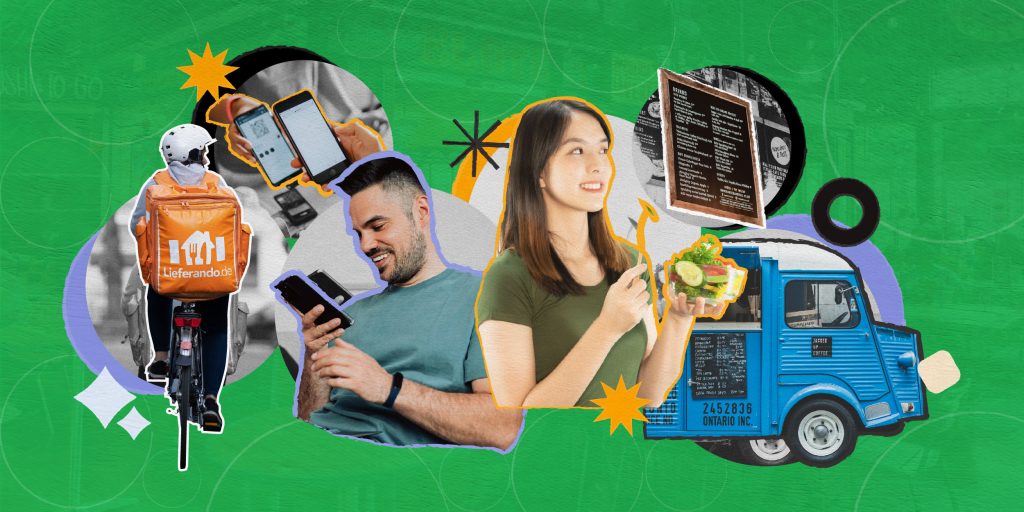
The COVID-19 pandemic has left a lasting impact on restaurants but has also accelerated waves of innovation in the industry.
Restaurants of all sizes are now embracing technology that has made both restaurant owners and customers more satisfied with the dining experience. Though direct online ordering and food aggregator apps have been available for many years, it wasn’t until the pandemic that restaurant owners and customers began to fully appreciate their value.
Online ordering and home delivery were the top industry trends from 2020 until 2021; they provided most of the resources restaurants needed to recover. Thanks to widespread consumer adoption of these trends, the National Restaurant Association predicts that the food industry will reach $898 billion in sales by the end of the year.
Despite this great forecast, however, some challenges have been affecting restaurants since 2020. One of them is the shortage of labor.
During the first few months of the pandemic, many of the workers in the hospitality industry could not wait for cities to open back up and so decided to seek employment elsewhere. This left restaurants struggling to refill the posts they vacated. Some workers left the industry altogether or relocated to places where restaurant operations were less disrupted.
Supply chain issues were another challenge. Disruptions in the global supply chain led to rising food costs, forcing restaurants to increase menu prices, ultimately impacting their sales and profit margins.
These developments are playing an important role in shaping the future of restaurant concepts, menu development, and restaurant operations. Let’s look at how they have influenced and driven 7 of the most important restaurant trends we have witnessed in 2022.
1. Shorter, More Compact Menus
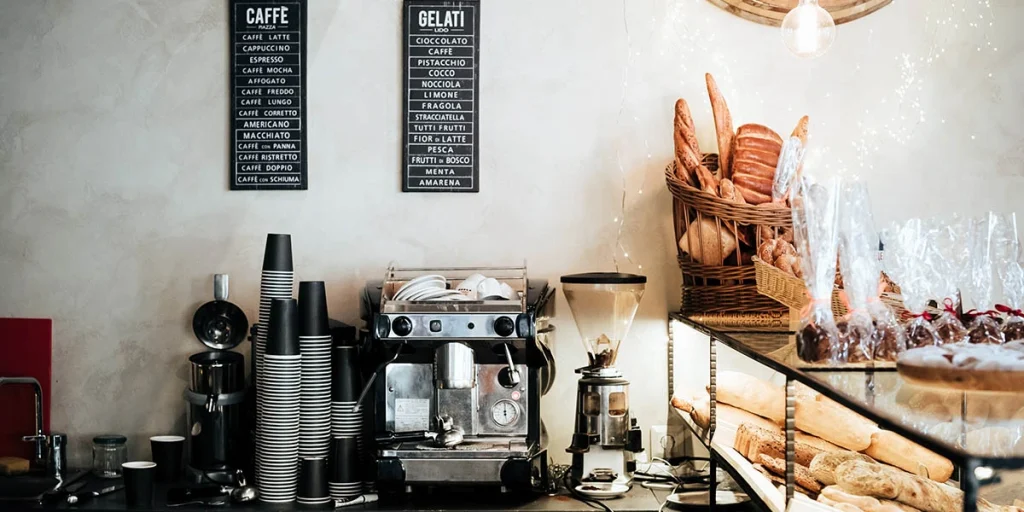
Restaurants used to create long menus to offer variety, an essential part of the dining experience. However, long menus presented inventory challenges for restaurants. During the pandemic, many customers turned to simpler options that they could avail of through takeout and delivery. Comfort foods, in particular, were the most frequently ordered items, so it didn’t make sense to stock up on menu items people were unlikely to order.
Some restaurants even reduced their full menus to a minimum viable menu, offering only bestsellers and the most profitable items.
Shorter, more compact menus allow you to cut inventory costs and focus on crowd-pleasers. Long menus may look attractive, but they incur a higher inventory load, and if the dishes don’t perform well, the stock will not move. In addition, long menus may demand more labor, which may challenge you further if you’re already understaffed.
Trimming down your menu can also reduce food waste since your stock can move faster, lowering the chances of spoilage and expiration. If you focus on crowd favorites, you significantly reduce unfinished meals. This will go a long way, considering that diners leave 17% of their meals (500 grams of food) uneaten.
2. Healthy Options
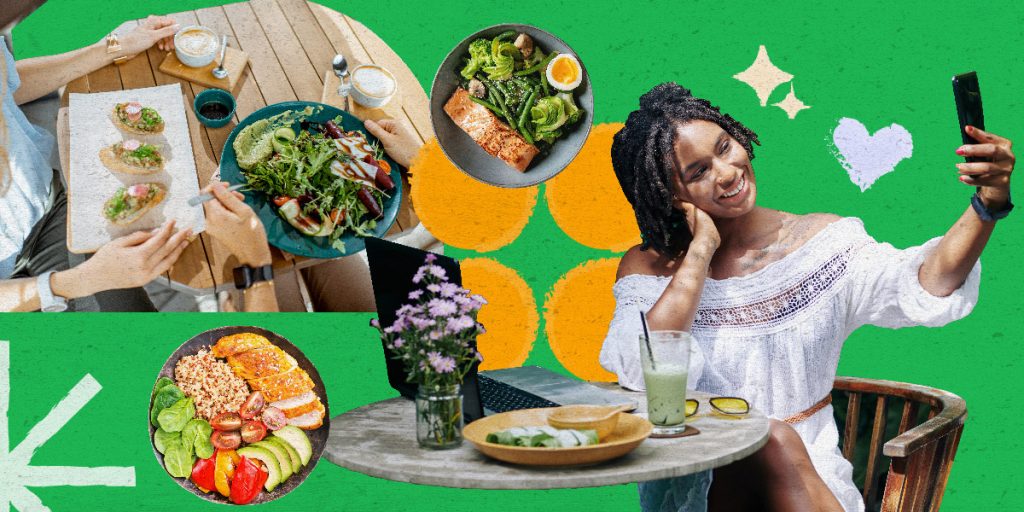
Though processed foods and fast-food meals remain popular, healthier options are becoming more mainstream in the industry. Younger diners, such as Millennials and Gen Zs, are even willing to spend more on meals tied to buzzwords like “organic,” “all-natural,” and “GMO-free.”
Restaurants outside Europe seem to have some catching up to do, though; researchers have found that European restaurants offering organic food and drink have grown from 20% in 2009 to 43% in 2019. Meanwhile, in America, the word “organic” only appeared on 23% of restaurant menus in the last ten years.
Luckily, switching to a healthier menu doesn’t have to be difficult or expensive. Start by focusing on seasonal produce to ensure your food’s freshness. Sourcing ingredients locally or from all-organic farms is also a great way to kick off your pivot towards a healthier menu.
If you already offer plant-based options, highlight those items on your menu to make them more visible to diners looking for healthier options. Your plant-based options can fill a gap in the market.
3. QR Ordering
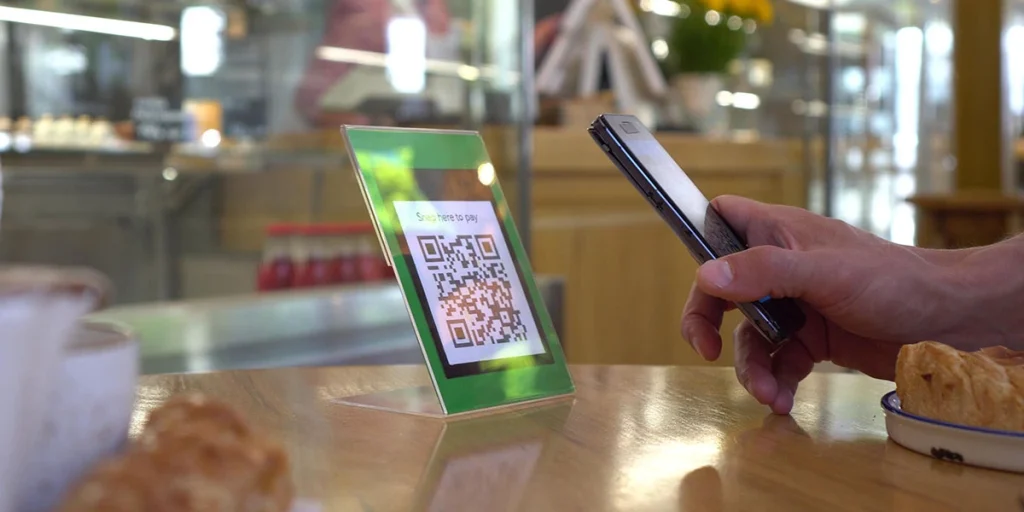
As restaurant operations return to normal, diners expect safe on-premise ordering systems. Restaurants have responded in different ways, but among all contactless ordering systems, QR ordering stood out.
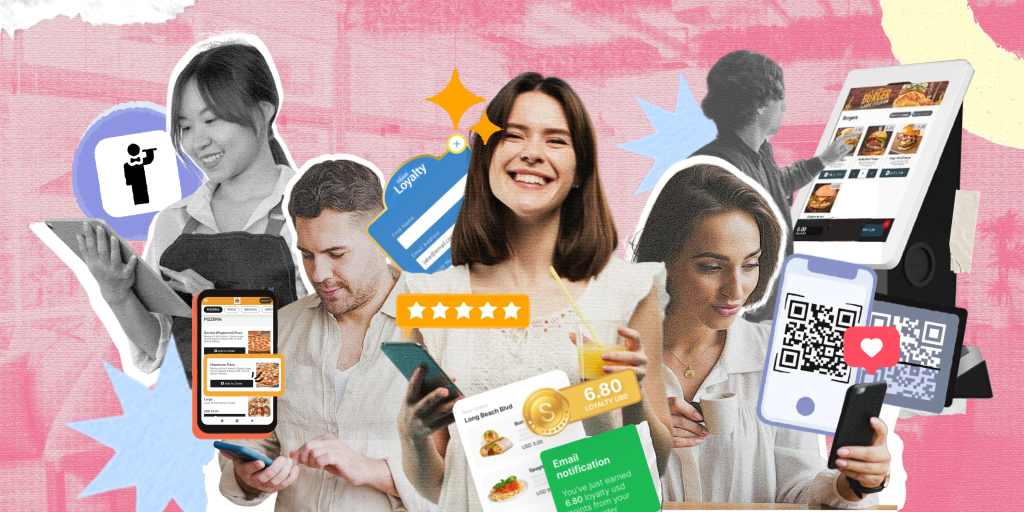
QR codes aren’t new, but the pandemic has given them a new life. Restaurant QR systems are much more sophisticated now, allowing customers to view menus and pay. This change brought online ordering inside restaurants and not just a service that goes hand-in-hand with home deliveries.
4. Ghost Kitchens
The boom in online ordering gave rise to ghost kitchens, AKA cloud kitchens or dark kitchens. This relatively new restaurant concept doesn’t have a physical location, hence the name “ghost.” As such, they only take orders through online ordering apps.
Ghost kitchens operate in a rented space that they may share with other restaurant owners. This concept allows them to save on rent and other overhead costs. They can also save on labor because they don’t need to hire servers and cashiers.
Euromonitor predicts that ghost kitchens will be a trillion-dollar business by 2030. So if you want to invest in a trendy restaurant concept with a growing market, consider a ghost kitchen.
5. Food Trucks and Pop-Up Restaurants
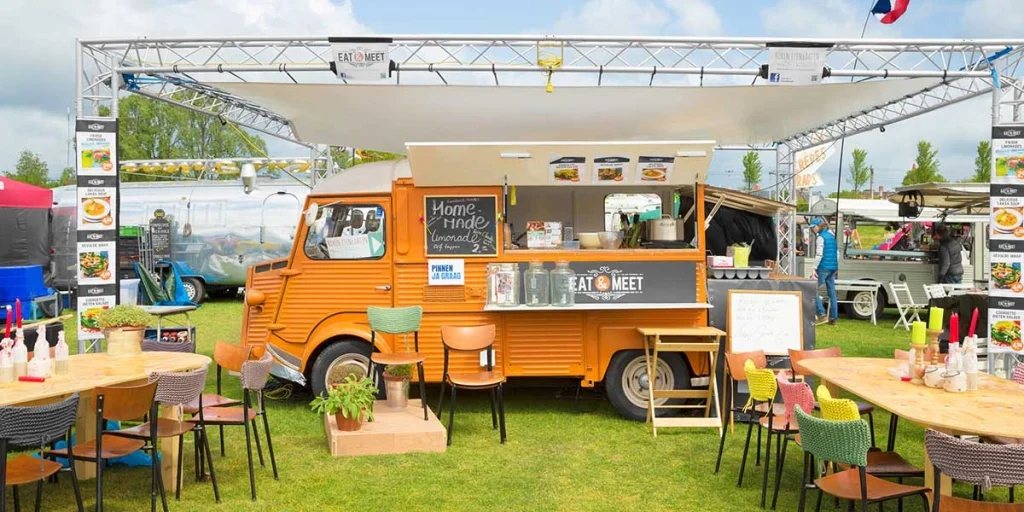
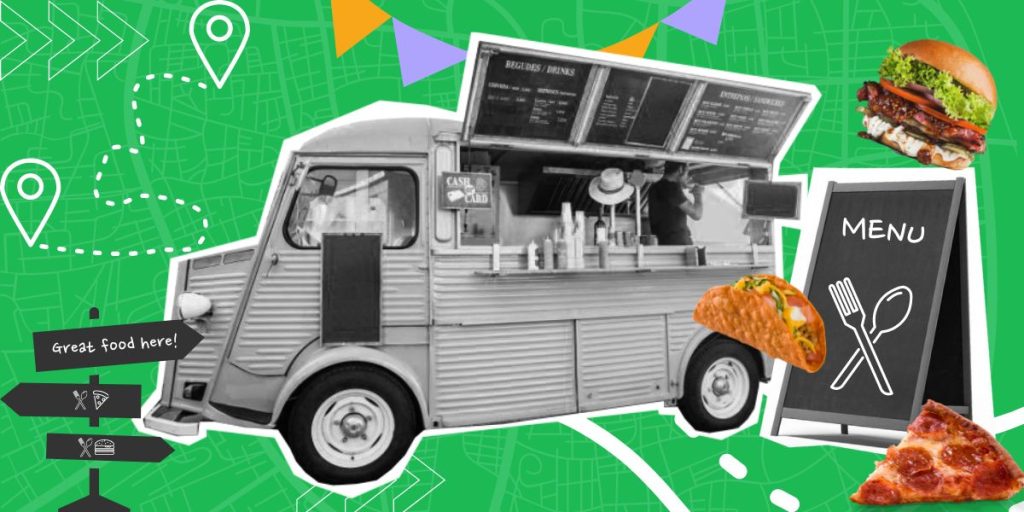
Food trucks have been on the rise for the past decade, but the pandemic greatly increased their visibility and viability as a restaurant business. When in-house dining was temporarily banned, some neighborhoods allowed food trucks to set up shop in their areas, making restaurant-quality food more accessible to residents.
The United States is home to 35,000 active food trucks. From 2017 to 2022, the food truck industry grew by 13.7%. Industry research firm IBISWorld predicts its market size will have a 3.4% increase in 2022.
Meanwhile, pop-up restaurants thrived because of their flexibility. Unlike traditional brick-and-mortar restaurants, pop-ups can operate with fewer workers and mainly focus on takeout and delivery.
Setting up a pop-up shop can also be an effective way to grab attention if you want to open a new restaurant. Since they’re temporary, pop-ups can build anticipation and attract diners who don’t want to miss out.
6. Online Ordering
As people depend more on technology, online ordering will no longer be an optional service for restaurants. In-house dining may have returned, but diners won’t break their newly acquired habit of ordering food online.
Moreover, diners may expect restaurants to offer regular discounts and rewards. This may be challenging since restaurants already operate on a tight profit margin. Luckily, you can ensure customer retention by starting a loyalty program or partnering with food aggregator apps, which may offer discount vouchers to users.
7. Home Delivery
Since home delivery is tied to online ordering, it also grew rapidly in 2022. Pizza parlors and Chinese restaurants were lucky, as they had been managing their delivery channels independently before the age of UberEats. On the other hand, newer and smaller restaurants are less experienced in this service and often depend on food aggregator apps.
While helpful, third-party partnerships can be costly since they incur commissions. If you want to save money, you can use social media to support home deliveries. Social media apps such as Facebook, Instagram, WhatsApp, and TikTok allow you to set up an online ordering system. They enable customers to order home deliveries without having to call a number.
Adding a home delivery is now an expected service from restaurants. A powerful cloud-based restaurant POS can help you set it up. You can enhance your customers’ home delivery experience by integrating third-party apps into your POS. Ideally, your POS should also have a built-in home delivery manager so you can track the entire cycle of the delivery process.
Keep Up With the Trends Using the Best Restaurant Management System
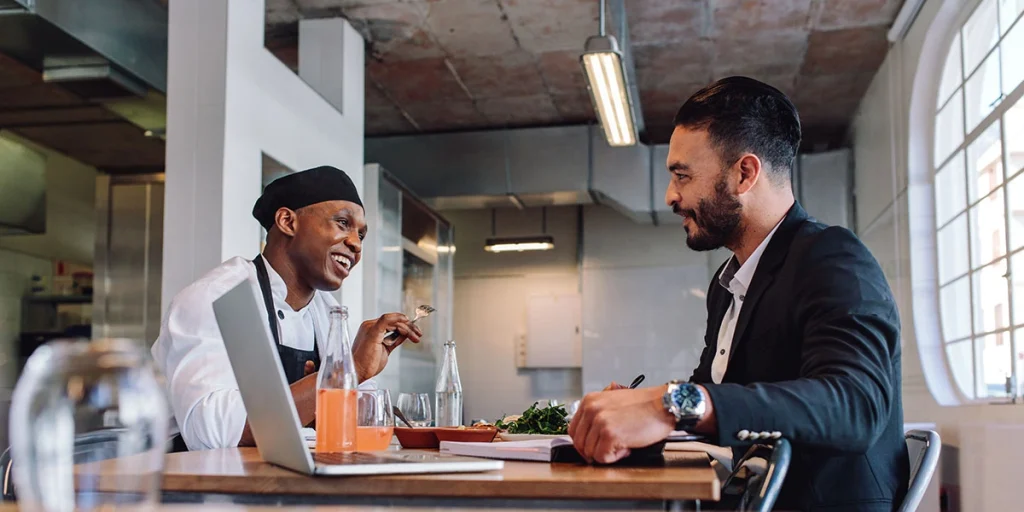
Ever-changing trends can make restaurants a risky business. People can be lining up for your food one day and then staying at home the next. If you’re not on the lookout for the next trend, it’s easy to lag behind your competitors.
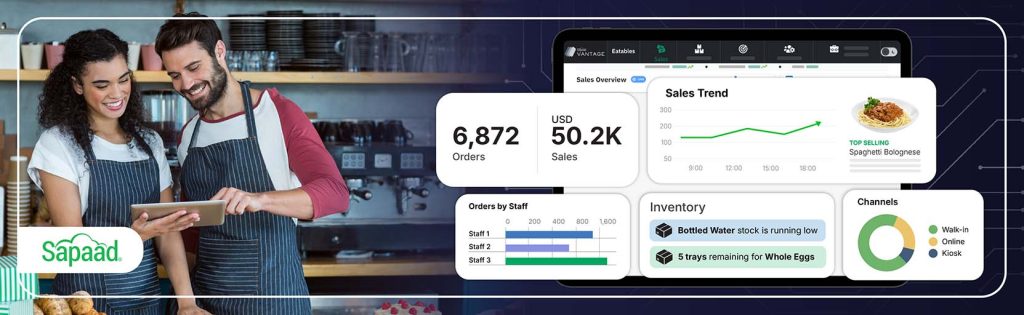
Using the best restaurant management system for your budget and concept will help you keep up with the trends. An automated inventory management system, for example, can help you prioritize high-turnover ingredients. Contactless ordering systems, like self-service kiosks or QR menus, can increase your revenue while cutting labor and operating costs.
Keep enhancing your digital solutions to stay ahead of the competition. You don’t have to slow down your off-premises services because restaurant operations are going back to normal. More importantly, get real-time business insights to identify what customers want. In turn, you can gear up for the next trend and avoid performance lapses.
Mirash T
Author

Related Blog Posts









Get the latest news and updates
Submit your email address to join our email list.