












































How to Combat Food Waste at Your Own Restaurant
 Mirash T
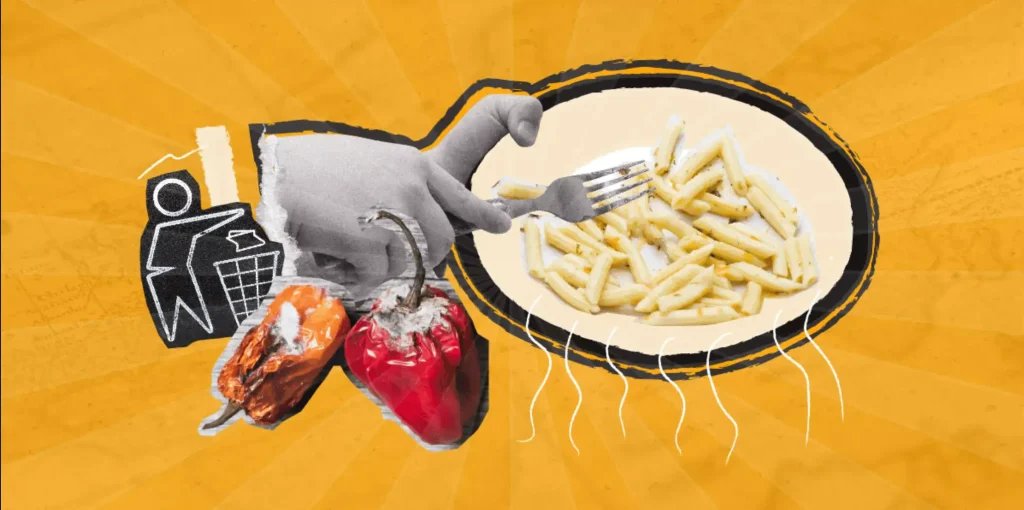
In the early 20th century, food waste was almost completely unheard of, as many people from both East and West followed the “Gospel of the Clean Plate“. Today, however, almost one-third of all food produced for human consumption goes to waste.
For restaurants operating in the 21st century, this has been a problematic issue for at least a decade.
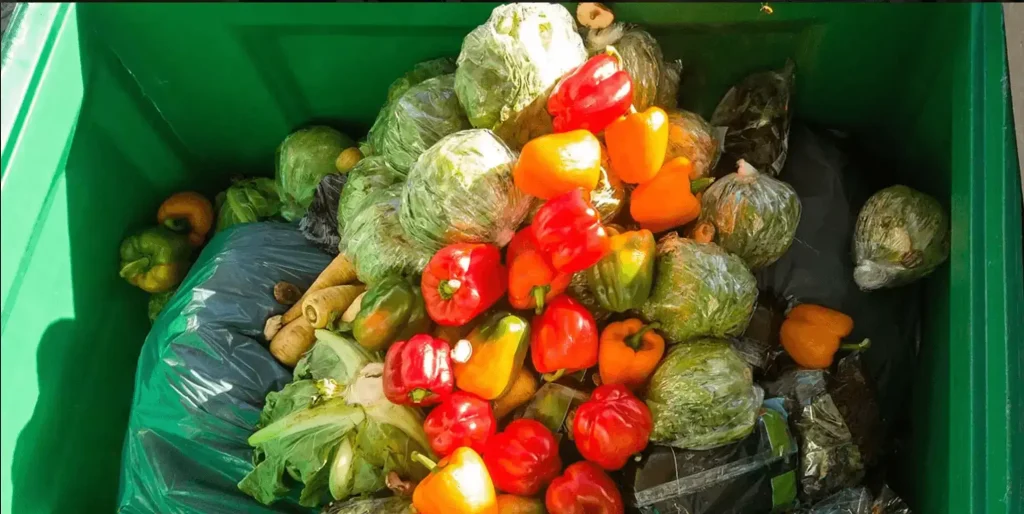
Food waste has continually been on the rise since the end of the Second World War, when thriftiness was not just a cultural practice, but a necessity.
Contrast that with current global estimates of what goes to waste: 45% of all fruit and vegetable products; 35% of all caught or harvested fish and seafood; 20% of all milked dairy products; and 20% of all raised meat products.
In countries like the United States, which is the largest contributor of global food waste, nearly 63 million tons of food are wasted every year. This is estimated to be 30-40 percent of the entire country’s food supply.
The Food and Agricultural Organization (FAO) estimates that the food wasted in the entire continent of South America alone could feed more than 300 million people, which is equivalent to nearly half of the continent’s population.
According to a United Nations Environment Programme report, it is estimated that 1.3 billion tons of food reported are wasted annually. If just one-fourth of that amount could be saved, it would be enough to meet the dietary needs of 870 million hungry people around the world.
Food Waste in the Restaurant Industry
Not all of the food waste that we are experiencing comes from the restaurant industry; that being said, most of the food wastage that does happen in the restaurant industry can be avoided with proper planning.
Globally, restaurants account for anywhere between 4% to 10% of purchased and prepared food that is wasted before even reaching the customer. Large portions, rigid chain store management operations, and extensive menus with many low-demand items all contribute to food waste in restaurants.
According to Cornell University’s Food and Brand Lab, diners leave 17% of their meals, or nearly 500 grams of food, uneaten. Growing portion sizes over the last 30 years are a leading reason for this waste.
Restaurants frequently miscalculate portion sizes desired by customers. In the US, many end up over-serving the customer with portion sizes nearly two to eight times more than the recommended FDA guidelines.
The impact of throwing away tons and tons of food is costing the global economy $940 billion every year.
There are plenty of ways to cut down on food waste thanks to technological advancements that help restaurant businesses calculate, manage, and interpret food costs more accurately.
Why Is There So Much Food Waste?
It is important to understand that not all waste is created equally. There’s “food loss”, and then there’s “food waste”.
Food loss is any edible food that goes uneaten at any stage, including produce or goods that never make it to the market, such as unharvested crops or food that gets damaged during transport. This is food that never makes it to the consumer.
Food loss also includes unsold food that cannot be processed or reused in any way or form, such as excess produce, or overfished seafood that is left to spoil.
Food waste is food that is discarded by businesses or customers due to color, smell, or appearance. It also includes half-eaten food by customers that are discarded by restaurant kitchens, as well as inventory items that go past their “use by” or recommended expiry dates. Compared to food loss, food waste is much more avoidable.
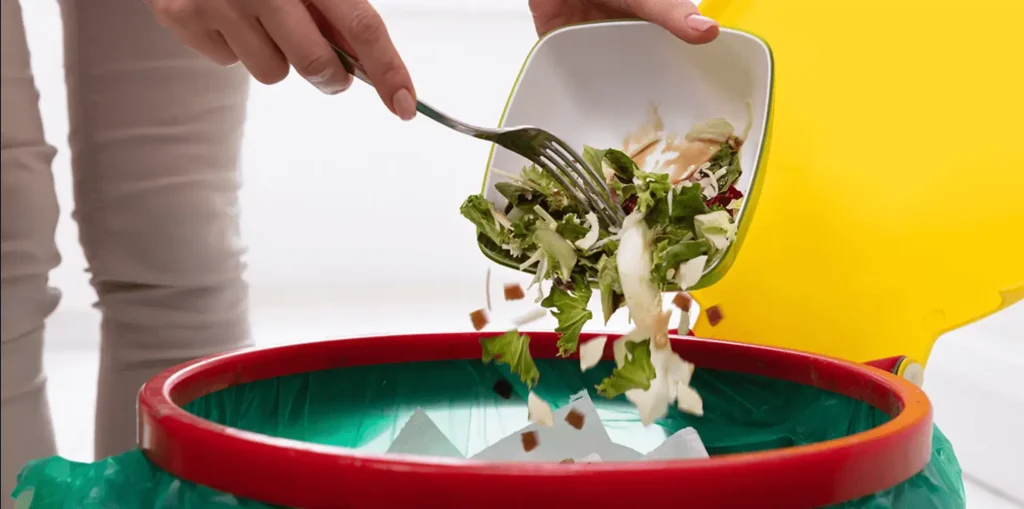
Professional kitchens are significant contributors of food waste, whether they’re small or large restaurants, cafes, school cafeterias, or large-scale catering enterprises.
Many restaurants take pride in the fresh quality of their produce, a factor that customers demand and expect from brands they patronize. This is why consumer-facing enterprises account for up to 40% of total food waste compared to farms or households.
Despite these pressures, there are ways to save on food costs and cut down on unnecessary waste. Here are, in order of importance, five aspects of food and inventory management that are worth reviewing.
- Overbuying Stock (aka Bad Inventory Forecasting)
Overbuying is frequently the result of inaccurate forecasts on customer demand and gross overestimation of the amount of food that restaurants feel bound to purchase.
Review past sales records and historical inventory consumption patterns. How much fish, beef, or chicken did you consume in the last quarter compared to the size of your regular purchase orders?
Can you pinpoint slow-moving items in your menu against your existing perishable stock of meats, fruits, and vegetables?
If you are seeing standard weekly order rates decrease on certain menu items, then perhaps it’s worth decreasing your minimum inventory (or par level) for particular ingredients.
Don’t be swayed by special offers from your food supplier, unless seasonal events or holidays point to potential increases in restaurant visits or online orders.
- Wrong Portioning
Large portions may remain the trend in certain countries, but there’s an increase in the number of conscious diners who do not appreciate waste or the fact that you – and they – are spending extra on expensive, and often non-recyclable, food packaging to take home extra leftovers.
Health and budget-conscious diners nowadays appreciate the option of half portions, cups vs. bowls of soup, and specifying the number of ice cream scoops in their dessert bowl.
It’s worth looking at your recipe and sub-recipe components to evaluate ingredient quantities, including the main protein or vegetable, sides, sauces, garnishes, and what they contribute to the overall portion size.
There’s obviously a marketing impact to introducing modified portions without informing customers, especially your regulars, about these changes. It may be time to adopt some menu engineering principles to study and test these changes before fully implementing them on your menu.
- Badly Executed Orders
Do some of your customers sometimes receive an order, eat a portion of it, and then send it back to the kitchen, asking for a redo?
It’s not too bad if they’re not happy with a salad or a vegetable pasta – but what if they sent back an overdone Wagyu ribeye steak, or complained about a rubbery lobster?
When this happens, you simply have to write it up as a loss. But there are cases when badly executed orders are the result of miscommunication between the guest, the waiter, and the kitchen.
If a wrong order lands up at the customer’s table, like a Pasta Alfredo with Shrimp for a guest who said they were highly allergic to shellfish, it is the fault of the kitchen – especially if the guest has already mentioned it, asked for an ingredient substitute, and it was forgotten or miscommunicated. What’s worse: there could be someone at another table who is getting their creamy Pasta Alfredo and realizing there’s no shrimp in it.
For restaurants that use the standard kitchen order ticket (KOT) method, there are normally no provisions on the kitchen slip for any particular requests that the customer may have made. The order taker is responsible for orally communicating the requests to the kitchen.
Even if they do, because the kitchen mostly follows the Standard Menu Item listed on the KOT, there is a risk that spoken requests can be overlooked. The busier the kitchen, the more likely verbal instructions will be forgotten.
A point of sale (POS) device with a Kitchen Display System that can add customized notes is one of the most efficient ways to cut down on errors that lead to waste. The person taking the order can add any request the customer might have right when they are ordering, and send the clearly annotated order directly to the kitchen.
- Improper Storage
Professional, safety-oriented restaurants are well-versed in health and sanitation methods for storage, preparation, and cooking of all restaurant ingredients.
Food must be stored in proper containers and refrigerated whenever necessary. Proper care must also be taken to store items in their assigned areas to avoid any risk of cross-contamination. While most restaurants have procedure manuals and food safety standards, a lot of food waste is still generated through careless, improper storage of food.
Some of the ways food can spoil due to improper storage include: leaking, improperly packed meat placed on the top shelf that contaminates food below; storing food uncovered; storing cooked food for too long; bruised fresh fruits and vegetables that were kept for too long, or not dried properly after washing and sanitizing.
For example, for food that does not need to be kept in the fridge, it makes perfect sense to pile them in baskets next to each other and let them sit out until it is used, right? Storing onions next to potatoes makes them ripe faster and sprout, making them inedible, but many people still do it.
How Can You Combat Waste?
The advancement of technology, especially in the inventory management space, has led to positive changes in how food is handled in the restaurant sector.
Restaurants can greatly reduce their cost of goods by doing food proper menu planning and purchasing items in more accurate quantities. You can eliminating over-preparation of food and finetune your menu with an easy-to-use inventory management system.
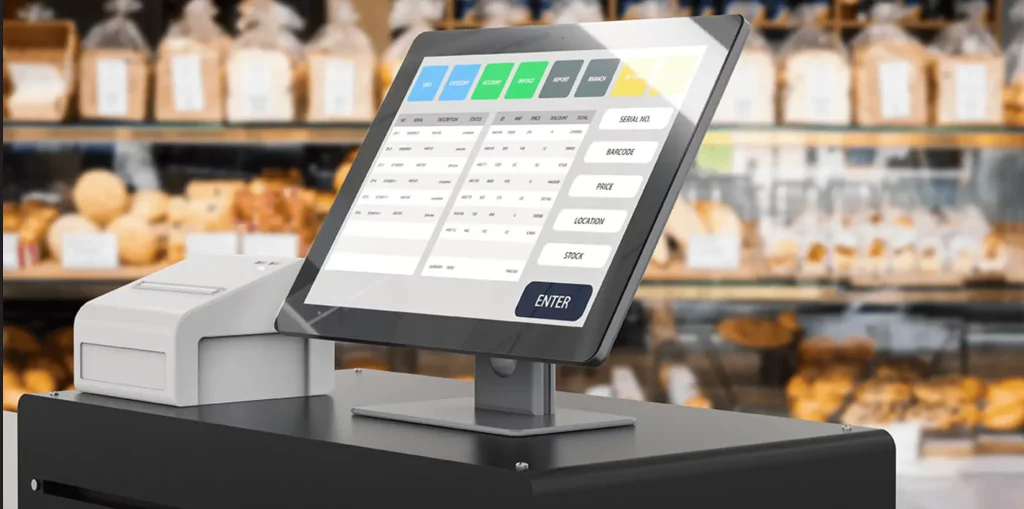
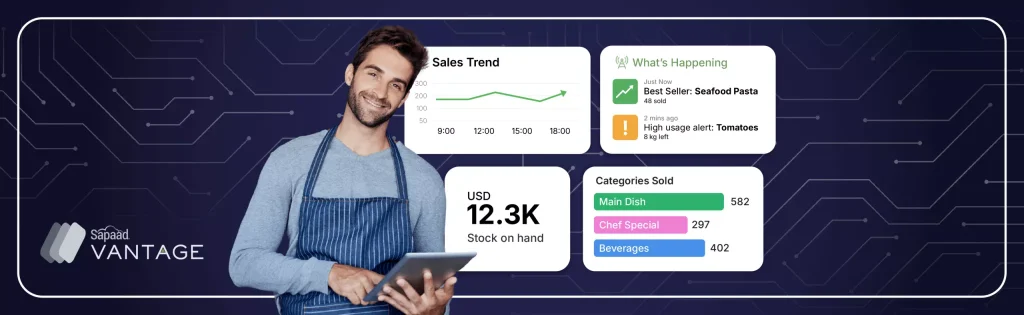
A restaurant’s inventory management system that automates and records your food inventory status is one of the most efficient ways to combat food waste. Your restaurant will have all the insights it needs to make effective inventory decision-making, design a profitable menu, create right-sized food portions – all of which fuel profitable development in your business. This includes stored inventory, inventory utilization, food cost percentage, and a plethora of other informative data and KPIs.
Combating Waste: Looking Beyond Technology
A restaurant that demonstrates concern for the environment by combating their food waste deserves recognition for its efforts. You’re also more likely to attract new clients because of this newfound goodwill.
- Follow The Pattern. Predict Your Needs.
Before restaurants can predict their daily, weekly, and monthly inventory needs and customer numbers, it is important to adopt a system that gives them a clear picture of what is going on in day-to-day business.
- What are the busiest days and times of the week? Is weekday lunch more popular than weekend breakfast?
- On any given day, how many customers do you expect to walk into the restaurant?
- What are the slowest time of the day and the week?
- What is your best-selling item?
- What dessert is least popular?
- Are there items that are rarely ordered?
Truth be told, most restaurants are winging these numbers and adjusting accordingly.
A better way to analyze this information would be to record your sales on a comprehensive POS system that generates analytical sales reports.
- Storing Food Correctly
Combatting improper food storage requires restaurants to adopt strict guidelines to storing their food and sticking to them.
For instance, all food products, whether dry or frozen, should be kept out of direct sunlight. This aids in temperature regulation and prevents food from rotting or losing nutritional content.
Humidity levels should always be below 15% to help protect product quality. These values can be adjusted based on local weather conditions.
Food storage is intrinsically tied to food safety, so getting storage procedures correctly right from the get-go helps in maintaining smooth operations behind the scenes.

Food should be stored in the refrigerator at 4°C or less. Reserve the upper part for ready-to-eat food, prepared vegetables and salads, minced or seasoned meats, and place raw meats like seafood, beef, lamb, and poultry on the bottom.
To prevent bacterial growth, store other food inventory 10° and 20° C in dry storage areas and at less than 0°C for freezers.
- Stock Rotation: The FIFO Method
The FIFO (First In, First Out) system is a method of storing and cycling food. The food that has sat in storage the longest (“first in”) should be the first to be used (“first out”) in a FIFO system.
FIFO works when all the food kept in different storage areas (fridge, freezers and dry storage) is marked properly by the expiration date. For fresh produce with no use-by dates, use purchase date as storage reference.
Same foods should be kept together and the ‘First In’ food should be stored in the front where it is easily accessible. Newer items should be placed behind older foods at the rear of the shelf.
- Food Waste Audit
Food waste audits can discover expensive, wasteful practices in your kitchen as well as new revenue possibilities by saving this food from being wasted. They are crucial for increasing restaurant efficiency, determining success, and enhancing operations. When auditing your food inventory, ask yourself these questions:
- How much food are you throwing away?
- What food is being discarded and why?
- Can any excess food be used before it turns to waste? The amount of high-quality food that can be diverted from the waste stream could be repurposed, reused, or donated.
A waste audit validates not only what you’re throwing away, but also the value you’re wasting. Restaurants that do not perform a food waste audit risk working in the dark based on guessing and predicting.
5. Donating To Local Charities or Community Kitchens
For various reasons, perfectly edible food is being trashed.

Restaurants can contribute extra meals, ingredients, and oils by donating it to charity or community kitchens. This reduces waste while also protecting the environment.
When a company donates, it may be able to save money on taxes or waste disposal. Clean and safe-to-consume leftover food from restaurants is accepted by a number of shelters. Full course meals, side dishes, desserts, or surplus ingredients can be donated if you own or run a restaurant.
Food that isn’t suited for human consumption can be donated to zoos and farms. If you don’t have access to transportation, a charitable group may be happy to pick up the leftovers.
The Golden Rule: Periodic Automatic Replacement (PAR)
Periodic Automatic Replacement, otherwise known as PAR, is an industry term that refers to effective inventory management. Your restaurant’s PAR levels measure the minimum level of inventory you need to run your daily business at any given time.
Maintaining a healthy PAR level ensures that the restaurant does not run out of ingredients, but also makes sure that there is not an excessive amount of ingredients that will go bad before it is used. Here’s the industry standard formula:
PAR level =
(amount of inventory consumed each week + safety stock) / number of deliveries each week
Once a restaurant identifies its PAR levels, it can reduce food waste, predict demand accurately, give you more control over your inventory, and majorly cut down on costs.
Good restaurant inventory management software will give you detailed information on what stock or produce you require, when you may require it, and how much of it will be required for immediate use.
You may also identify your restaurant’s period automatic replacement (PAR) level using purchase reports and variance reports data, which leads to more optimal ordering of raw materials.
Good for Business, Good for the Environment
Restaurants spend nearly 20% to 60% of their raw material costs on food ingredients, so avoiding food waste has direct impact on your bottomline. Managing inventory more efficiently could help you save up to 2% to 6% of overall restaurant costs.
While establishing new procedures can be difficult, the cost-to-benefit ratio should be a compelling argument to switch or upgrade one’s restaurant management software: restaurants will save an average of $8 for every $1 invested in food waste reduction.
It’s a win-win for everyone. More and more restaurants are harnessing new food management technologies for the greater good, while more and more customers actively choose businesses that promote sustainable practices.
Your restaurant business can signal that it holds itself accountable to this standard – and work toward making its operations more ecologically friendly.
Mirash T
Author

Related Blog Posts











Get the latest news and updates
Submit your email address to join our email list.