














































How Much Does it Cost to Start a Restaurant?
 Mirash T

Many people dream of owning a restaurant. Restaurants provide opportunities for creative, business-savvy entrepreneurs to express their passion for cuisine and hospitality. Foodies and cosmopolitan personalities with highly trained palates may be a good fit for the business, too.
The key is entering into a restaurant business fully aware of risks and costs. But to launch a restaurant startup successfully, you first need a basic understanding of how to allocate your capital.
According to a US Restaurant Owners’ survey, typical restaurant startup costs can range anywhere from $175,500-750,500. Restaurant startup costs are mostly one-time costs, but there are other recurring costs, like taxes, permits, insurance, and service subscription fees.
Location, equipment, and other factors unique to your business, such as your theme and concept, also help determine the cost.
To help you plan, let’s take a look restaurant startup costs’ most important components. This should help you determine your overall restaurant startup budget. It will also enable to anticipate and address potential challenges to raising these funds.
Restaurant Startup Costs
1. Commercial Space
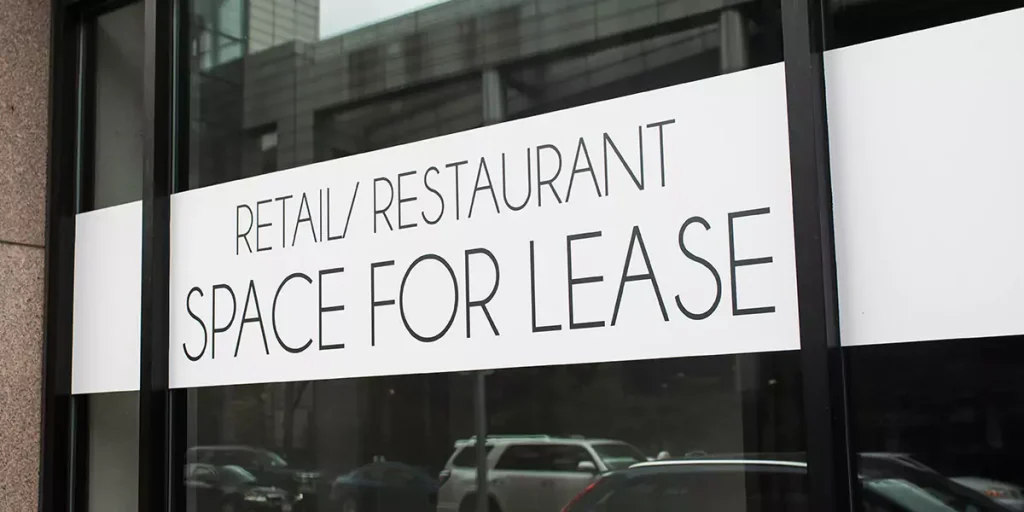
Commercial space is one of the main drivers of restaurant startup costs. Your payments may start before your restaurant’s opening, as landlords typically charge a security deposit when the lease contract is signed. The amount varies depending on your space’s size and location, but it often costs the same as average rent, which is $2,000-12,000, according to Sage, an accounting software firm. You’ll also need to pay rent prior to your restaurant’s opening in order to launch any remodeling plans.
You could also purchase your own commercial space instead, but it may require a 15-35% downpayment. If you take out a loan, your lender will definitely require a downpayment, but it doesn’t usually cost more than 10% of the commercial space’s purchase price.
2. Business Permits and Licenses
The types of permits and licenses your restaurant needs depend on your location. Licensing requirements usually range between around US$100-300, but special permits may apply according to religious or dietary restrictions.
For example, in Dubai, you need a food and restaurant license and a trade license. You may also need a food consignment license and a vehicle permit license. If you want to build a bar, you’ll need another special license to be able to serve cocktail drinks according to law.
The Municipality of Dubai also requires a Ramadan permit, a Pork Permit (for restaurants serving pork dishes), and a Delivery Permit. A No-Objection certificate from the municipality is also mandatory to open your restaurant. All in all, these permits and licenses can cost up to US$2,700-10,890.
3. Insurance
Insurance is sometimes considered a hidden cost, as many entrepreneurs are unaware of business insurance policies.
Depending on your location, you may need commercial insurance policies to operate. These likely include commercial auto insurance, general liability insurance, worker’s compensation, federal flood insurance, and coverage for events like lawsuits and natural disasters.
The cost of an insurance premium depends on the insurer, but expect individual coverage to cost an average of $53–187 every month. It’s best to get quotes from at least three different insurance companies to get the best deal possible.
4. Legal and Professional Fees

Restaurant startup costs also include fees from lawyers, accountants, and other industry professionals.
Hiring a lawyer will help you obtain necessary licenses and permits faster than doing it yourself because they will guide you in preparing your requirements. A lawyer will also help you determine the appropriate business structure for your restaurant. Their assistance can cost you anywhere from $500-2,000.
Accountants are just as important. They handle tax preparation and filing in addition to organizing your finances. Hiring a bookkeeper may suffice if you only need help with day-to-day transactions, but getting an accountant will also provide you with analysis based on your bookkeeping data.
In addition, accountants can generate accounting reports that will be useful for tracking your restaurant’s growth.
Accountants and bookkeepers usually charge per hour, from $25-150.
5. Dining Area Design & Remodeling Costs
Architects, engineers, and interior designers are also key professionals in your startup team. They’ll help you build and design your restaurant. To enlist their services, you’re looking at startup costs of $250,000-350,000.
That amount should cover their professional fees, as well as interior finishing materials and furnishings for your dining area: tables and chairs, barstools, waiting area seats, interior and exterior light fixtures, signage, landscaping, and outdoor dining areas.
The size and theme of your restaurant and the building materials you select will determine how costly or affordable your remodeling will be.
6. Restaurant Technology

Though not required, it’s important to consider investing in automation systems to boost your productivity and profit.
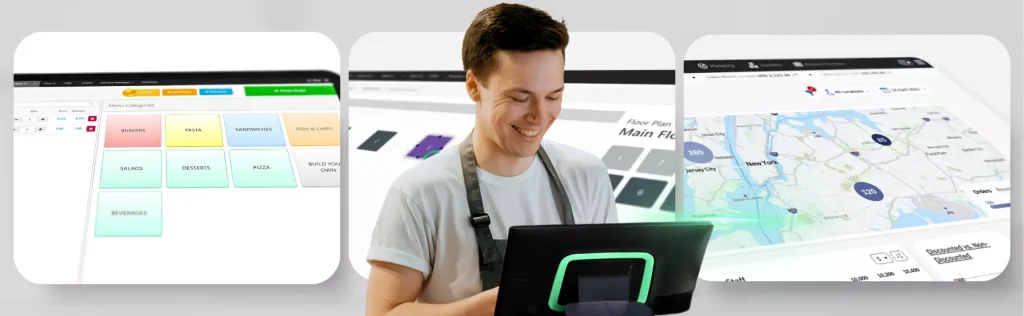
A cloud-based restaurant POS system outperforms many traditional, non-cloud POS systems because in terms of access (virtually from anywhere), performance, and integration with valuable software partners. Instead of buying new PC sets and expensive POS hardware for new branches, you can simply set up new locations directly from a cloud-based software system and run your operations on less expensive tablet devices.
And because contactless services are in demand thanks to the pandemic, your restaurant may also benefit from self-ordering kiosks and QR-based menus.
If you’re a QSR or casual dining restaurant, a self-ordering kiosk will help you reduce queues as customers to place their own orders and pay through the device provided.
A QR-based menu can make ordering and paying via customers’ smartphones possible.
If you’ll build your restaurant in a mall, an optional but advantageous feature to integrate into your POS system is an automated sales reporting system. It lets you transmit your gross turnover (GTO) sales report to the mall’s accounting system, saving time and reducing administrative tasks.
Like most cloud-based software, payment for a cloud-based POS system is often offered on a subscription basis. You may be billed monthly or annually. For a startup restaurant with only one outlet, expect to pay a few hundred dollars upon the system’s setup.
7. Kitchen, Food, and Beverage Equipment
Top-of-the-line equipment can be expensive, but you don’t need to overspend.
You can buy second-hand instead of brand new to reduce your restaurant startup costs. Second-hand kitchen and bar counters can still work optimally if well maintained. Trays, prep tables, cold food tables, and steam tables don’t need to be brand new, either.
Save your budget for brand new equipment such as stoves, ovens, refrigerators, and freezers. The rest, including meal prep tools and small appliances, can be bought secondhand.
According to Sage, a small-scale restaurant may spend up to around $50,000 on a solid restaurant equipment setup. For a restaurant with more upscale operations, a whole equipment setup may go up to as much as $150,000, which covers industrial stoves, mixers, and other high-volume commercial kitchen equipment.
8. Employee Training

You can develop your own training framework to curb your initial restaurant startup costs. But if you lack the background to train restaurant workers, you can enlist an experienced restaurant employee trainer instead.
The cost of training depends on the number of your employees. The fewer the trainees, the higher the costs. That’s because startup businesses lack access to economies of scale, or the cost savings you gain when you increase your productivity with a large number of employees.
9. Salaries and Wages
Salaries and wages are another main driver of restaurant startup costs. US salary surveys show restaurant waitstaff is typically paid minimum wage, while prep and line cooks may expect $575-$650 a week. If you employ a head chef, their average pay is $1,300-$1,800 weekly. Managers are essential, of course, and their yearly average salary in the US is $57,058.
In addition to fixed salaries, you also need to budget for regular employee benefits and overtime pay.
10. Hidden Costs
There are hidden and easily overlooked startup costs, such as repairs, advertising, and legal fees outside of the process of opening your restaurant.
Repairs can turn into a major restaurant startup cost if your chosen space has to deal with many maintenance issues, like leaks, plumbing problems, and construction-related issues.
You may be spared from these costs if you’re renting a restaurant space if your agreement says the landlord will take care of them. If you purchased the property, you can avoid paying for repairs by negotiating with the seller before finalizing the sale. Negotiating will urge the seller to address various maintenance issues before turning over the property.
To sustain your startup promotions strategy, you need the help of experienced marketers to set up powerful restaurant marketing tools, such as a well-designed, mobile-friendly menu, social media, and campaigns run on SMS and email.
Legal fees can come up unexpectedly if no risk management plan is designed to address safety hazards around your restaurant.
Safety hazards include potential injuries to remodeling workers at pre-opening stage, or to kitchen staff and customers in the early days of restaurant operations. Avoid these scenarios by enforcing construction and kitchen safety best practices and insuring yourself properly against these risks.
Fees for Buying a Restaurant Franchise
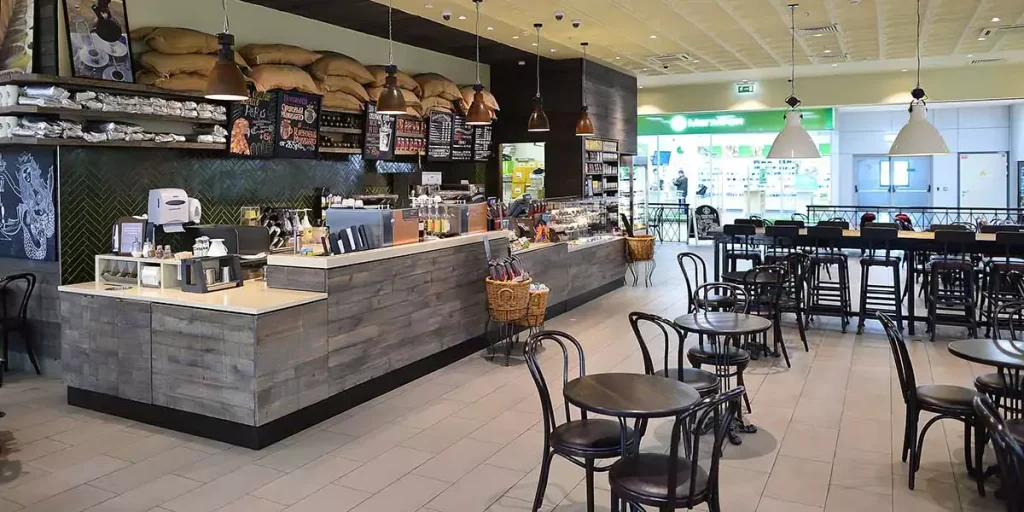
If your idea of a startup restaurant business is to work with a proven restaurant concept, you can buy a franchise instead of developing an independent restaurant brand.
It may be a cheaper option, too. Initial franchise fees don’t usually go over $50,000, and that may already cover land, construction, and equipment-related costs. In exchange, you will need to prove solid financial standing and access to funds to win a franchise agreement.
Your contract may also require you to pay them advertising and royalty fees, and a fixed percentage of your restaurant’s gross sales. Some franchisors also charge monthly service fees which are a percentage of the gross sales, as well as a percentage of your gross monthly profit.
Open a Restaurant Set Up for Success
Opening a restaurant is no walk in the park. After you’ve drawn up your business plan and determined your costs, it’s time find a way to fund your venture.
And once you’ve started running your restaurant, you need learn to find ways to cut down on restaurant costs by managing your working capital.
We’ll provide more tips on how to run and sustain your restaurant business soon. Subscribe to our restaurant management blog to receive more timely updates in your inbox!
Mirash T
Author

Related Blog Posts



















Get the latest news and updates
Submit your email address to join our email list.