











































Food Delivery Robots: A Passing Trend or the Future of Delivery?
 Mirash T

Garnering plenty of interest across multiple industries, food delivery robots and drones have been experimental since 2019 or earlier. Advancement in this technology has been laboriously slow, which has some people questioning – are delivery robots the future of food delivery?
Introduction
Having food delivered by a robot or a driverless car is something most consumers have not yet experienced, but it’s an idea that’s picking up global interest. Furthermore, many in the F&B industry can agree that the last mile of delivery is often the most expensive and labor-intensive. In reality, companies in all sectors are racing to implement delivery robots to address these specific challenges.
As the COVID-19 pandemic began, delivery became a saving grace for many outlets, and restaurants that delivered through online platforms were able to grow their revenue throughout 2020. However, many venues saw their overall profits decline, occasionally resulting in negative margins. Dining restrictions may have accelerated this trend, but the gap between delivery-fueled revenue spikes and profit declines has been an underlying issue.
For many, delivery orders can be viewed as an extra table for a restaurant, serviced by a driver instead of a waiter, supplying several orders within a set geographic radius. Overall, delivery was always intended to improve a restaurant’s revenue by increasing the utilization of its kitchen at sensible margins.
Going forward, with an ever-changing (and demanding) customer base, potential consumers will likely expect even more from food-delivery services. Each with equal importance, priorities include the following features: speed of delivery, quality of the food, order accuracy, and completeness for regular items, as well as special requests.
What are the capabilities of robot delivery?
So what exactly can delivery robots do for the F&B industry? How can they help to improve delivery services? How can they address the issues we have discussed?
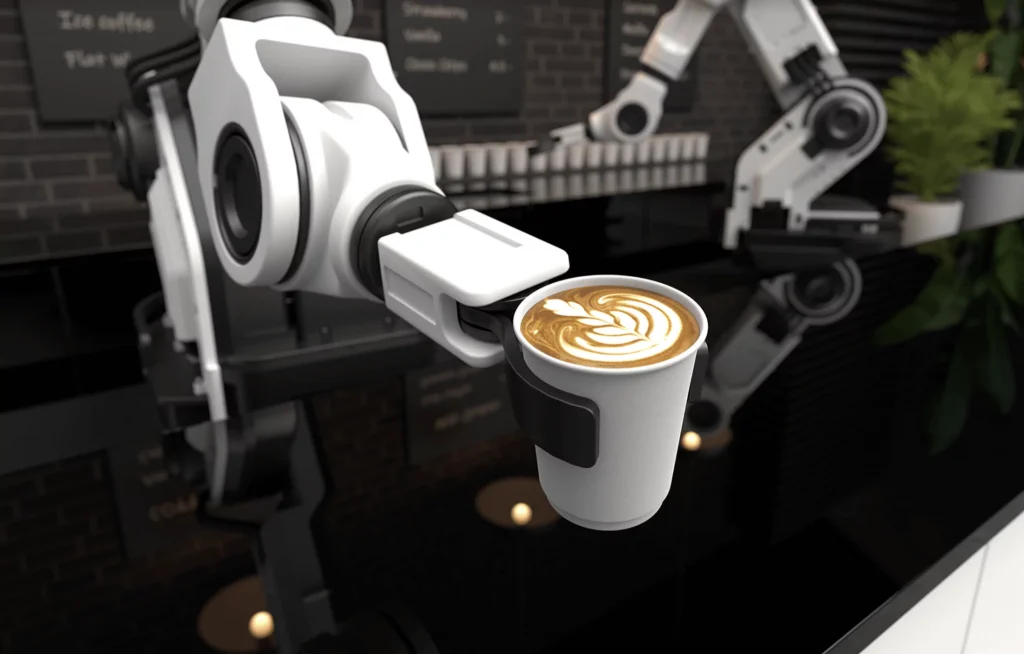
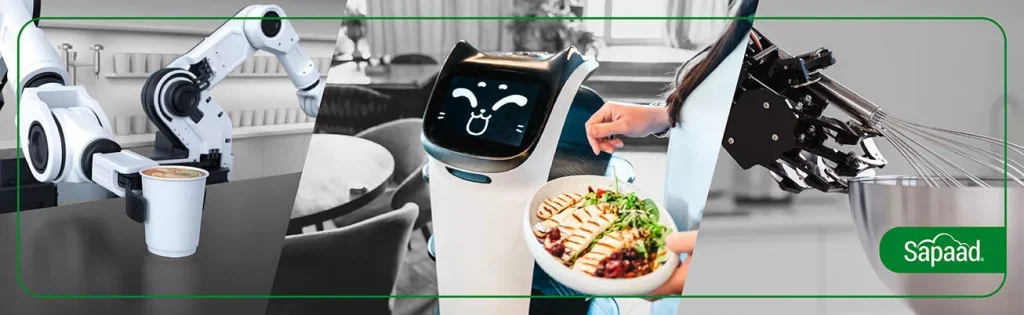
As this technology advances and becomes more commonplace, within the restaurant itself, robotic devices can take orders from customers at the table, deliver food to the table, and carry dirty dishes back to the kitchen.

Looking ahead, the advantages of land-based delivery robots in the restaurant industry will include faster delivery.
With a fleet of robots, there would be no wait for the next delivery person to be available. Food can go as soon as it’s prepared. With additional time available, personnel can focus on higher-value activities, and restaurant staff can pay more attention to customers.
Furthermore, there could be more predictable delivery as robots won’t need breaks or downtime. This technology also offers less cost than traditional transportation methods.
Expected shorter delivery times and an increasing need to manage returns, together with new public policies pushing for fleet electrification, place a high burden on companies.
Based on the current data, over 25% of EU consumers are unwilling to pay for a delivery, and 40% expect free delivery for high-value orders. This puts even more pressure on retailers, whose margins are already being squeezed by increased fuel, wage costs, and shortages.
What are the limitations of robot delivery?
There are concerns about the technology, primarily regarding the safety of these delivery systems. Thus far, security has limited the regulatory approval of delivery robots that drive over public roads.
For sidewalk robots, regulatory approval has been somewhat easier to obtain. The future is anyone’s guess and will be dependent on local jurisdictions.
Delivery robots operating within buildings need to be able to open elevators and doors. Ground-based delivery robots will need charging stations. Aerial drones need a launch area and recharging batteries.
What about aerial delivery?
Aerial drones – UAVs (unmanned aerial vehicles) – have similar advantages to delivery robots. However, they still have a ways to go regarding regulatory approval.
The big brands in eCommerce all have programs for aerial drones but are currently facing regulatory and legislative restrictions. Obviously, aerial drones avoid congested ground transportation routes, making travel faster and their deliveries more predictable.
What are the limitations of aerial delivery?
Some of the limitations of aerial drones include safety considerations and regulatory approvals. Limited package weights mean aerial UAVs cannot deliver more extensive and heavier items. Small drones are also susceptible to harsh weather and can be adversely affected. National security and law enforcement considerations are also quite important.
Conclusion
Although still in development, robots and aerial delivery have the potential to help support and assist the restaurant industry. However, current technology and regulations are making things less of a reality, hindering the future of this industry.
Would you consider adding robotic delivery systems to your restaurant?
Recommended:
Mirash T
Author

Related Blog Posts















Get the latest news and updates
Submit your email address to join our email list.