














































Are Cloud-based POS Systems the Solution that Singapore’s F&B is Looking for?
 Mirash T
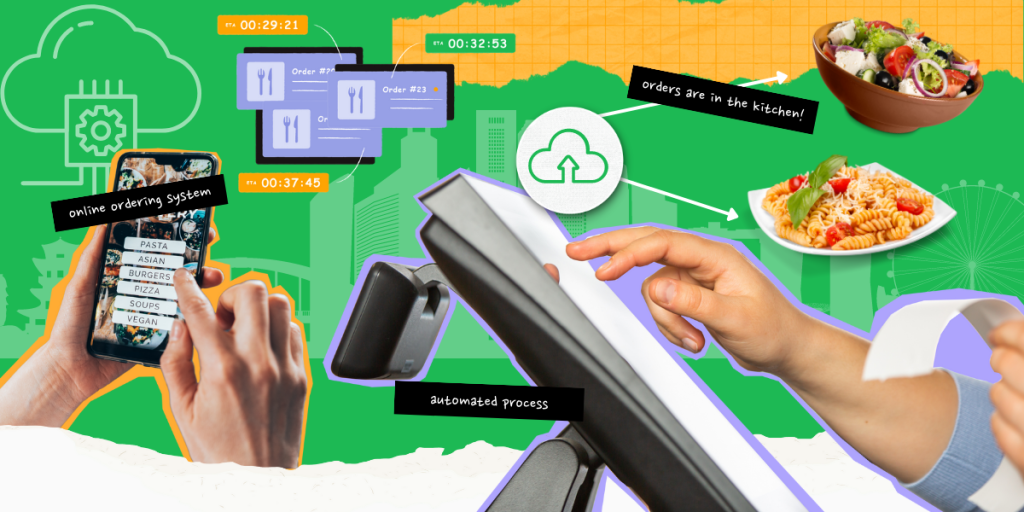
As a melting pot of cultures, Singapore’s cuisine is influenced by different people from across Asia, which include Malaysians, Chinese, Indians, and more. International restaurants have also spread their influence to Singaporean foodies and tourists, offering unique twists to French, Italian, and other popular European cuisines.
Chefs continuously reinvent and elevate the local cuisine, contributing to Singapore becoming named the Food Capital of Southeast Asia. As of 2022, a total of 52 restaurants have Michelin stars while 67 F&B venues have the Bib Gourmand.
But luxurious restaurants aren’t the only establishments that made Singapore what it is when it comes to food and hospitality. Hawker Centers actually play a significant role in Singapore’s local foodie culture. With more than 100 hawker centers all over Singapore, locals and tourists alike can enjoy char kuay teow and other iconic delicacies for only a few bucks.
However, with restaurant technology becoming more prominent in Singapore, hawker centers are falling behind since most of them aren’t equipped for online ordering and other forms of digitization. On top of that, aging hawker owners are getting worried that the younger generation wouldn’t succeed them, raising concerns about Singapore’s hawker culture dying soon.
That said, will restaurant technology make hawker centers and other low-tech food businesses thrive in the future?
Challenges in Singapore’s Local F&B Industry
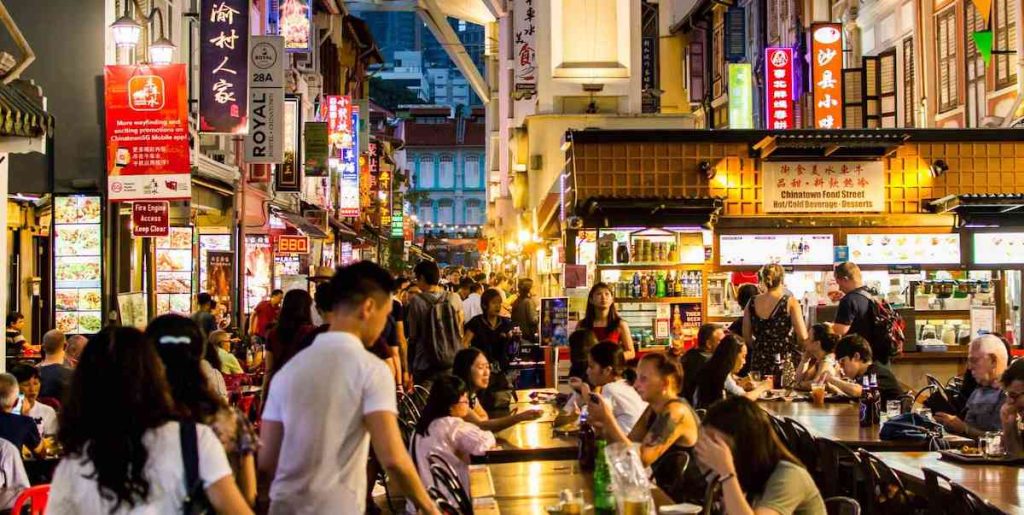
Singapore’s foodservice sector has seen a 2.4% compound annual growth rate (CAGR) from 2008 through 2018. Cafes and bars, limited-service restaurants, and hawker centers and kiosks led this growth.
Full-service restaurants are noticeably absent in the F&B establishments mentioned. That’s because, during that period, consumers were turning away from full-service restaurants in favor of quick-service restaurants (QSRs) due to rising costs. An Asian Insights SparX report showed that the mass market had more transactions and higher spending on F&B, with an average of SG$20 per head.
The report also stated that busy lifestyles led to the trend of frequent eating-out, quick-service concepts, and faster payment/checkout modes such as cashless and online transactions. QSR operations in the mass-market segment benefited from this trend as they were able to increase productivity through self-service kiosks more easily than high-end, full-service restaurants.
It’s a different story for hawker centers, though. Despite being recognized by UNESCO as an intangible cultural heritage, the iconic food stalls seem to be in danger of disappearing in the future. Fewer young Singaporeans are willing to take over their parents’ hawker stalls. The current median age of Singapore’s hawkers is about 60, and while succession challenges have been there for years, the pandemic has made it worse.
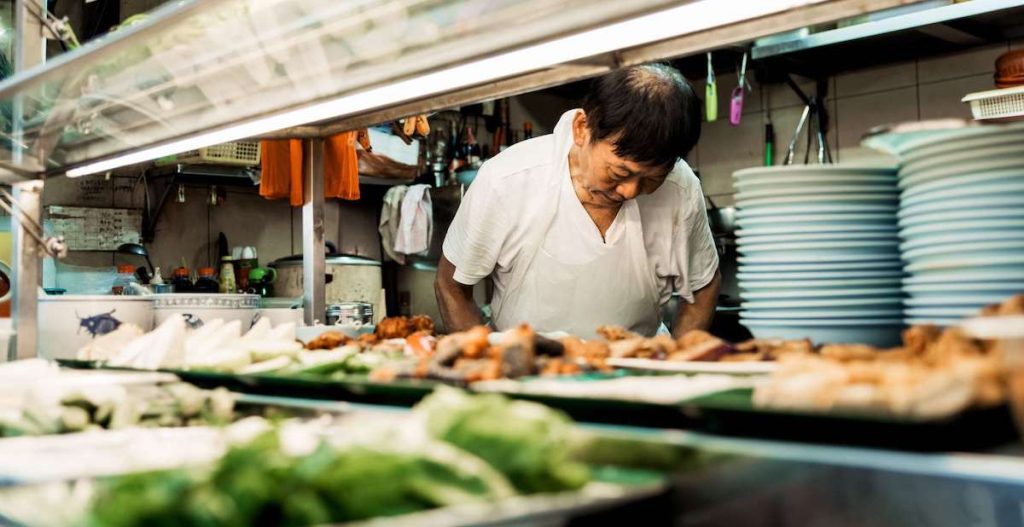
For one thing, the pandemic increased supplier utilities and staffing costs while creating a larger demand for affordable food. A 1% increase in raw material cost can result in a 0.56% rise in food prices, which doesn’t seem to be a lot, but Singaporeans are rather sensitive to food price increases so paying slightly more for a hawker dish can turn them away.
To maintain the legacy of hawkers, some aging owners have resorted to selling their recipes to investors. China Street Fritters, a 90-year-old hawker stall, was on its way to selling its Hokkien ngoh hiang recipe, one of the last of its kind in Singapore, for S$1 million when their investor backed out during the pandemic.
Ng Kok Hua, China Street Fritters’ owner, and his brother, Richard Ng Kok Eng, who are both in their 60s, had been planning to retire when they sold the recipe, as none of their children wanted to take over the business.
Food blogger Leslie Tay says that Singapore will lose a big part of its hawker culture if heritage hawkers go out of business.
But aside from succession issues, the rapid growth of restaurant technology also puts hawkers at a disadvantage. Casual dining restaurants—limited-service or full-service—are quicker to adopt technologies such as a cloud POS system, loyalty management, and online ordering systems.
As the heart of all these innovations, is a cloud POS the solution to the challenges Singapore’s F&B faces?
How The Cloud POS Changed Singapore’s F&B
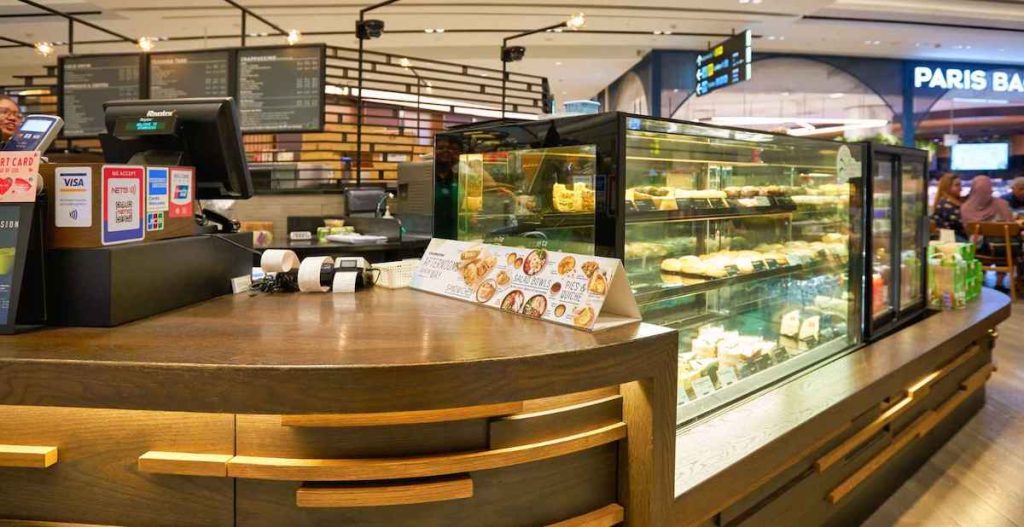
Restaurants used to rely on antiquated legacy POS systems or a hodge-podge of digital solutions from multiple vendors that might not be compatible with one another. Now, cloud-based POS systems are coming out and providing restaurants with an all-in-one solution that eliminates the need for multiple vendors and suppliers.
To encourage F&B businesses to embrace cloud-based solutions, the government launched initiatives like the Productivity Solutions Grant, which awarded discounts of up to 80% to F&B establishments using IMDA-approved restaurant and hospitality tech. Hawkers can be eligible for these initiatives, too; however, elderly hawkers who aren’t tech-savvy don’t find digitization very approachable, and the costs burden them as well.
Thankfully, private companies stepped in to assist vulnerable hawkers. Grab implemented Hawker Center 2.0, which assisted hawkers in digitizing their ordering systems for a reduced commission. While it didn’t completely eradicate the challenges hawkers face when shifting to online platforms, Hawker Center 2.0 and other similar programs offered them some much-needed relief during the tough period.

The Instagram community also reached out to help. Private citizens created Instagram accounts dedicated to supporting hawkers through takeout orders. Some accounts also launched crowdsourcing campaigns to determine which hawkers aren’t on delivery platforms.
And though not many young Singaporeans want to take over their parents’ hawker stalls, some children still help in other ways, including setting up online shops for their delivery-friendly products like instant coffee.
These movements prove that online ordering and delivery will continue to be the trends that drive Singapore’s F&B forward. In 2021, around 2.5 million Singaporeans used online food delivery, up by 300,000 from 2020. By 2025, the number of Singaporeans using eServices for food is expected to reach 3.6 million.
Because of that, more and more restaurants are switching to cloud POS systems to be able to set up online ordering platforms easily. As of November 2019, around 65% of small and medium enterprises in Singapore have already adopted automation and cloud-based solutions.
Despite the surge of cloud-based solutions in Singapore’s F&B, though, the technology and government initiatives alone aren’t enough to sustain the industry’s shift toward digitization for the long haul. Instead, keeping Singapore’s local F&B alive and making it adaptable should be a collective effort among the entire Singaporean nation, with technology just being a mere tool.
A cloud-based POS system may give Singapore F&B businesses the foundation to open more revenue channels and increase efficiency, but it’s not an overnight solution to challenges. Ultimately, it’s up to business owners how they’re going to ride the tide.
Mirash T
Author

Related Blog Posts













Get the latest news and updates
Submit your email address to join our email list.