














































8 Tips to Choose a Winning Restaurant Name
 Mirash T
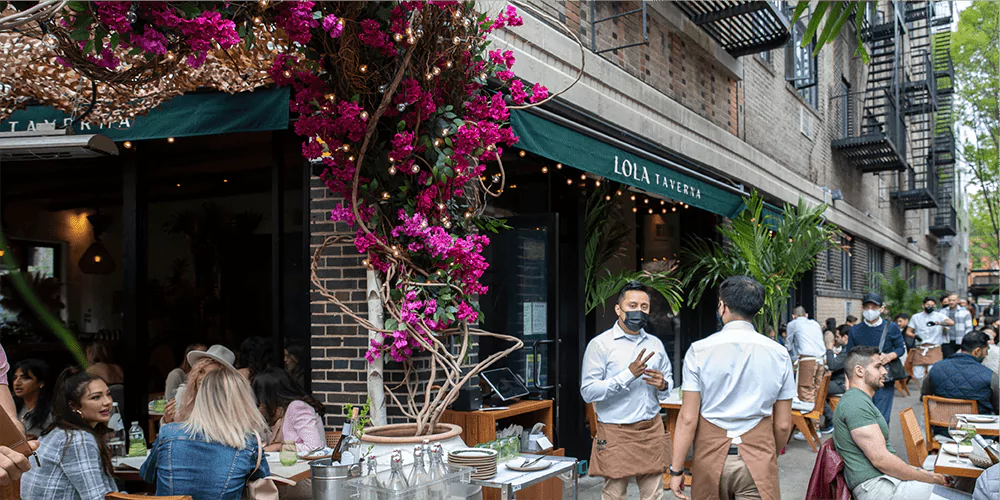
What’s in a name?
Your restaurant’s name is tied not just to your food and service quality, but to every aspect of your business. When Americans hear “The Plant Cafe Organic,” they immediately think of the restaurant’s 100% organic menu items and farm-to-table ingredients.
A restaurant’s name can also evoke emotions, such as nostalgia, excitement, or even grief.
The rules to naming a restaurant aren’t set in stone. Some restaurateurs insist on a catchiness; others deliberately choose names that will appeal to their target markets.
If you need some ideas on giving your restaurant a name you and your customers will love, we’ve got you covered.
How to Choose the Perfect Restaurant Name

Your restaurant’s name will play a crucial role in your branding and marketing. In fact, naming your restaurant is the first step to creating your brand strategy. Your name is your identity and image, as expressed in your logo, menu, staff uniforms, and so on.
A winning restaurant name will also drive customers to your premises, website, or social media. Pick a restaurant name that’s hard to remember or pronounce, and you probably won’t attract as many customers.
Before we get into some naming techniques, here are a few key tips to remember:
- Keep the name simple. A creative restaurant name doesn’t have to be hard to spell or pronounce. The simpler a name, the more likely it is to draw word-of-mouth advertising and increased brand awareness from your target market.
- Draw out feelings. A restaurant name that draws out good feelings can help you form a loyal customer base.
- Do your homework. Research restaurant names before making a decision. You don’t want to choose a name that’s already been taken or trademarked.
That said, here are eight tried-and-true tips for naming your restaurant:
1. Name it After Yourself
McDonald’s, Wendy’s, Taco Bell, and Papa John’s are some of the most famous fast-food chains and restaurants who reference their founders or are purposely named after them.
The advantage of making your restaurant your namesake is that it can grow with you, and your business’s history will forever be associated with it.
Your customers may not know who you are, but if they discover the origin of your restaurant’s name, they will remember your success story, which may enhance your reputation and cement your branding over time.
2. Base it Off Your Menu or Signature Dish
Naming a restaurant after its menu or signature dish is a common practice among restaurateurs. We have Pizza Hut, Ramen Nagi, Pho Hoa Noodle Soup, and many more.
Naming your restaurant this way effectively draws customers who are into your specialty. For instance, if you named your restaurant “All Day Pancakes,” you’re highly likely to attract breakfast food lovers who can have their fill of freshly cooked pancakes at any time of the day.
3. Pay Tribute to Your Location
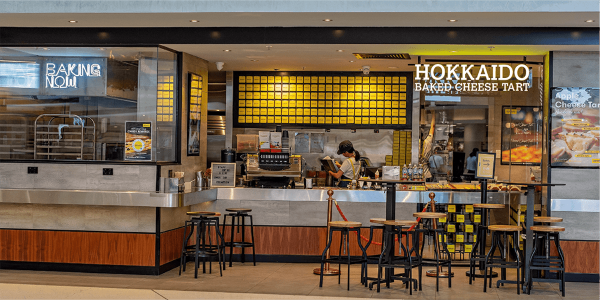
You don’t need to name your restaurant after its founding location, although that can give you an edge. For example, Seattle’s Best Coffee was founded in Seattle originally as Wet Whisker, then Stewart Brothers’ Wet Whisker, Stewart Brothers’ Coffee, and then, finally, Seattle’s Best Coffee. The evolution of its name pays tribute to both Seattle’s Best Coffee’s founders and its first-ever location.
A location-based restaurant name can also be inspired from the origin of your signature dish. This will showcase your restaurant’s cuisine and make your business stand out from its competitors. In a sea of Italian restaurants, you’ll definitely stand out if your name is different from theirs.
4. Try to be Pun-ny
Using puns displays your wit, and it can turn your restaurant into a big hit; if you choose the wrong kind of name, however, it can turn into a huge miss.
Make sure your pun can be easily understood by your market, or else your restaurant’s name may just sound odd and unappealing, keeping customers away. Does it make people laugh or comment on its irony?
Take, for example, restaurant names such as Burgatory, Catcher in the Rye, The Dairy Godmother, The Garden of Eat’n, and Tempt Asian. Do they work for you and your intended market?
Choose a pun that people can remember. If it works, they’ll repeat your name to friends and create visibility with people who haven’t heard of you. Ideally, it’s a name that ages well with time, so it won’t lose its appeal.
5. Aim for Awesome Alliterations
Alliterations are phrases with two or more words that start with the same letter. An alliteration name can allow you to come up with something catchy that your customers will love to post about on social media.
Alliterations should be relevant to your business, as customers form expectations based on your restaurant’s name. Indeed, if you go to Hungry Hippo, you’ll expect a casual vibe instead of a formal, fine dining atmosphere.
6. Tap into a Fandom
The perk in using this trick is giving people a sense of familiarity that’s otherwise uncommon in new restaurants. A restaurant name that references pop culture, for example, brings people with common interests together and makes your business a community in itself.
Be careful, however, not to attract a highly specific niche that gives you little leeway with other audiences. If the fanfare for your reference dies down, your restaurant could decline in business, too.
Reference a culture with care and thorough market research. If you want to reference the TV series Friends, you may take inspiration from The Central Perk in Singapore.
7. Roll out the Rhymes
Like puns and alliterations, rhyming words also exude wit and humor. Rhymes are easy to remember, and they tend to roll off the tongue nicely.
Think Cheers & Beers, Dicy Spicy, and Chops and Hops. They sound straightforward and approachable, and they convey a good idea of what you might see on their menu or their restaurant interiors.
8. Explore Unorthodox Names
An unorthodox restaurant name will definitely catch attention, and you want the right kind.
For instance, a profane restaurant name in London received plenty of popular attention – and legal consequences for its owner, Adrian Jones. In the end, Jones was forced to remove to change their original sign and replace it with “F*ckcoffee.” Fortunately, the bad publicity boosted the restaurant’s business.
So if you’re choosing the unorthodox naming technique to find your own name, make sure you can anticipate people’s reactions and respond to any criticism that might ensue.
Considerations Before Choosing a Name
Once you’ve got your options, review your name choices in overall context. Remember, your restaurant’s name is not just going to show on your restaurant sign. It needs to be everywhere, from posters and billboards, to search results on Google and Google Maps, your own Facebook page, Internet directory listings, and people’s social media feeds.
If people do not like your restaurant name, or worse, cannot remember it, it will be hard to attract people toward your business. Evaluate your choices against these factors before coming up with the perfect restaurant name:
1. Logo Design
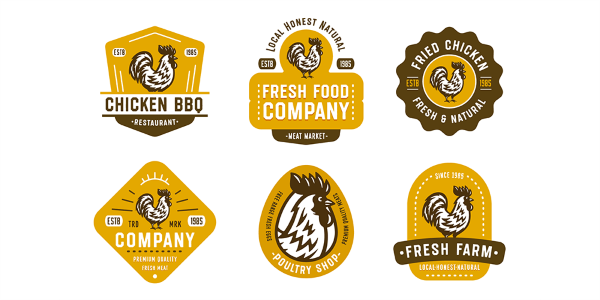
Your restaurant’s name will influence its logo design. For example, if you choose an abbreviation for a name, a script-type font isn’t ideal. The letters may look awkward and illegible.
On the other hand, a lengthy restaurant name may limit your creative freedom. Considering that the longest restaurant names are often no more than four words, it’s best to assume that less is more when it comes to a winning name. The shorter the name, the easier it will be on eyes and ears.
2. Target Market
The importance of focusing on your target market during the naming process of your restaurant cannot be stressed enough.
Your restaurant’s name defines your brand. If you’re targeting families, it’s important to pick a name that’s family-friendly. If you want niche audiences, try the pop culture or unorthodox naming strategy.
Similarly, if you’re targeting an affluent market for a fine dining restaurant concept, avoid informal, punny, or rhyming names. An unorthodox restaurant name may work in this scenario, but it should connect to your restaurant’s theme, services, menu, and ambience.
3. Appearance on Media, Giveaways, and Collaterals
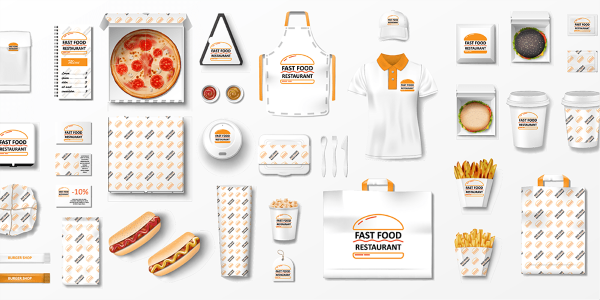
As we said earlier, your restaurant’s name won’t just appear on your logo, but also on the Internet and various forms of media. That includes print material like brochures, your physical menu, and offline and online advertisements. Don’t forget your promotional giveaways, takeaway bags, paper cups, and staff uniforms as well.
To ensure that your restaurant’s name is “the one,” test it out on paper and on various digital platforms. Choose the one that translates best on both. Test out its appearance on signage designs and other promotional materials.
And don’t forget to market test it, even if informally, to friends, family, and people in the industry, to get input and feedback.
4. Brand
The perfect restaurant name should complement your menu or signature dish, target market, service style, theme, ambience, and most importantly, your brand.
Choosing a name that reflects all of those qualities may seem hard, but it’s not rocket science. As long as your restaurant’s name effectively catches the vibe of your restaurant, you’re on the right track.
For example, if you named your restaurant “50’s Diner,” your restaurant should be reference authentic diners to connect more strongly with visiting customers.
You don’t need to name your restaurant as a literal description of your theme, although that works, too. What’s more important is picking a name that evokes specific feelings you want to draw from your target market.
Pitfalls in Choosing A Restaurant Name

The most important rule in choosing a name is not to overthink it.
Sometimes, the name that’s perfect for your restaurant business is simple and straightforward, not sophisticated or intricate.
As we pointed out earlier, your restaurant’s name is an integral part of your branding. If you’re going for a casual and friendly brand image, there’s no need to think of names that sound serious or have a very formal connotation.
One thing you must also not overlook is trademarks. Choosing a restaurant name that has already been trademarked could lead you straight to a lawsuit. And even if it doesn’t, you’ll always be competing with name recall, especially if that restaurant is in a niche that’s related to yours.
Some restaurateurs or fast-food chain owners try to be witty by creating a knock-off name based on a famous fast food or restaurant chain. In China, you might find an imitation of Starbucks Coffee called “Sunbucks Coffee,” while in Spain, you may stumble upon Duffin Dagels, which has a logo and concept heavily inspired by Dunkin’ Donuts.
Humor can be a tricky naming strategy. Even if your brand has a humorous personality, not all your customers may appreciate it.
Aim for originality—and let that reflect in the way you design your menu, theme, and concept. You will please your customers better, which you’ll see when you evaluate your sales results, and find ways to reconnect with them after they have visited your restaurant or ordered from you online.
Make Your Restaurant’s Name Spark Delight
The perfect restaurant name should reflect the personality of your brand and hint at the kind of food and service you offer. A catchy, friendly-sounding name together with attractive photographs can suggest the kind of atmosphere you offer, and whether you have some of the latest ordering amenities, like QR code menus, or convenient curbside pickup or takeaway.
Pick a name that helps communicate your restaurant’s brand, story, values, and mission.
A name is more powerful than you think. A single mention of your restaurant’s name in friendly conversation or on social media can be enough to draw customers toward your business. When they arrive, let your menu, quality of service, and overall experience do the rest.
Mirash T
Author

Related Blog Posts




























Get the latest news and updates
Submit your email address to join our email list.