









































12 Best Restaurant Inventory Management Practices
 Mirash T

Restaurant inventory management can be a challenging task even for the most experienced of restaurateurs. Owners and operators pour precious time, effort, and money into streamlining a complex process that includes order and storage planning, forecasting, and budgeting.
Restaurants are now doing their very best to avoid overstocking and spoilage. In kitchen and front-of-house operations, there is greater emphasis on right-size portioning and accurate order taking. Not addressing these concerns can have a direct impact on margins and profits.
This is why establishing a strong restaurant inventory management program is critical. It needs to suit your business’s individual demands. At the same time, it ought to meet industry standards to help you achieve customer goals and revenue expectations.
Here are 12 recommended restaurant inventory management approaches and practices to help you improve your back-end kitchen inventory practices.
- Learn your ABCs
Start off with your ABC’s. ABC analysis is a process that classifies your inventory into categories A, B, and C, in order of decreasing value.
ABC analysis aids inventory control by allowing management to concentrate its sales efforts on the highest-value commodities (A-items) in relation to lower-value goods (the C-items). This is based on the Pareto principle, which states that 20% of your best-selling products account for 80% of your entire revenue.
Some examples of ABC goods in your restaurant may be
- A – Expensive meats like Wagyu; seafood like abalone and caviar, and fresh produce
- B – Grains like rice and lentils, pasta, and dairy products
- C – Cooking oils, salt, sugar and produce that does not spoil easily
Restaurants can begin to see increases in their profit margin when they focus more heavily on the A-items and exhaust them before spoilage. This means giving them top menu priority as soon as they arrive. If they remain unsold and are close to reaching the end of their shelf life, it’s time to offer them as evening specials or on a discount.
- Know Your Inventory KPIs
KPIs are an important aspect of restaurant inventory management because they provide vital data on inventory turnover, sales, customer demand, purchases, expenses and more. Paying close attention to the inventory carrying costs, inventory write-off, inventory turnover, fill rates and cycle rates are also good practices.
Inventory KPIs reduce guesswork by setting clear goals for you to achieve each day, quarter, or financial year. Setting goals and following KPIs equips restaurants with the data they need to make strategic business decisions that bring the most profits.
Restaurant inventory management solutions make it simple to track KPIs, which can be used to illustrate progress, where procedures require improvement, and where they are successful.
- Track and Batch Your Inventory
Batch tracking and keeping a close eye on product expiration dates allows restaurants to know the status of their inventory, where it is being used, and how much of it is left before it goes to waste.
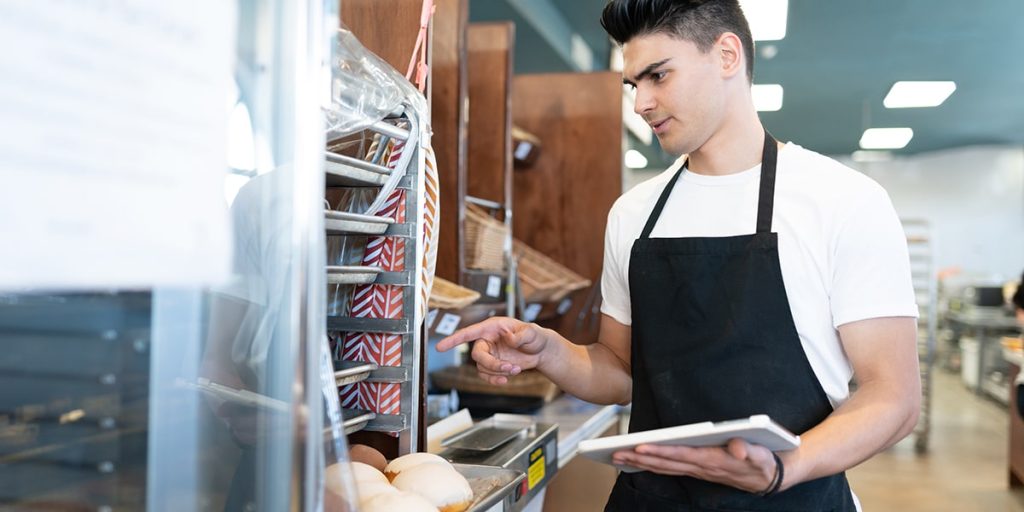
When you adapt batch tracking, you can track multiple groups of items. If you have items with expiration dates, recalls, damaged packaging, or other issues, this is extremely important. Monitor groupings of comparable objects rather than individual ones by batching them together.
No matter the size of your restaurant, every business needs to count their stock.
With technology like Cloud POS systems with an integrated restaurant inventory management software, stocktaking has become sophisticated and hassle-free. These systems eliminate the need for manual stock reconciliation and clear any discrepancies between your counted and theoretical stock.
- Implement Effective Purchasing Procedures
One important aspect of restaurant inventory management is ensuring that your inventory levels can fulfill restaurant demand at all times. Protocols for estimating the amount of restaurant inventory available at any given time, item-by-item, should be established.
These estimates help you determine your restaurant’s ideal Periodic Automatic Replenishment (or PAR) levels for ingredients and other inventory items. PAR levels help restaurants keep enough inventory on hand, but at levels that reduce risk of overstocking, spoilage, and wastage.
To determine optimal PAR levels, restaurants can take a look at their sales trends. This gives them an idea of what stock that does not sell fast enough or is decreasing in use. With this information, you can revise stocking parameters for these items to match usage patterns more accurately.
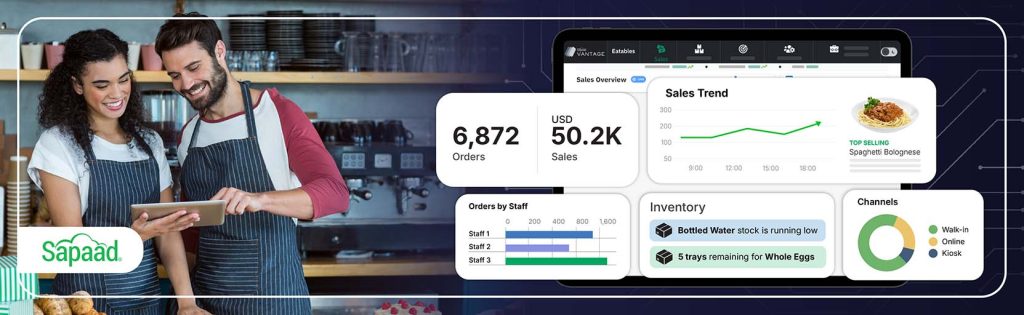
No matter how you look, inventory management software will be of huge help when it comes to analyzing your sales data and inventory pipeline. Inventory levels, sales rates, and more will be displayed by a good restaurant inventory management software system.
These procedures help you cut costs in the longer run by saving money and inventory space on things you don’t need while allocating resources for more popular items.
- Pay Attention To Food Loss
Restaurants waste up to 10% of the food they buy before it even reaches the customer. Restaurants often purchase excessive amounts of food at once, causing it to deteriorate before it can be sold.
Repeated food wastage costs may make a small dent on your profits, but over time turn into substantial, yet preventable, losses.
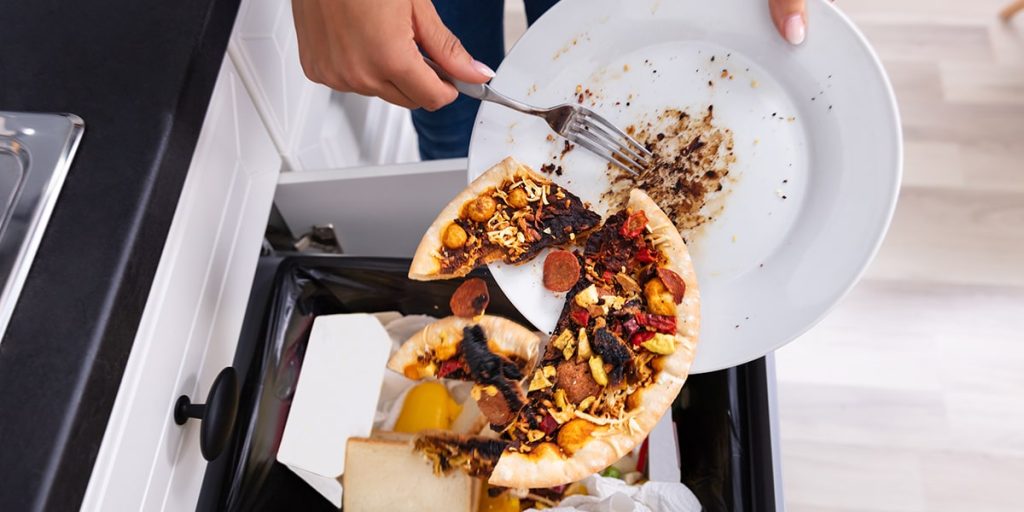
Resources are also wasted in other ways: wrongly punched in or misplaced orders; forgotten food allergy requests or ingredient substitutions; cancelled orders that simply took too long to get to the customer.
Another element that raises your expenditures is food waste caused by inaccurate portion sizes. This may result in unconsumed leftovers and the use of takeout food packaging, which many restaurants do not charge for.
Sometimes menu items themselves may not appeal to customers’ tastes due to personal preferences. They’re less likely to do well if they’re not marketed properly, or sourced out of season and not at their best.
- Adopt Standard Inventory Principles (FIFO, LIFO)
While there are various standard principles to manage your inventory efficiently, two stand out from the crowd.
- FIFO (First-In, First-Out)
- LIFO (Last-In, First-Out)
FIFO simply involves labeling your inventory by the date of its purchase or manufacture and placing the older goods in front or on top so you utilize them first. This approach helps you to locate your food more quickly and utilize it more effectively. When there are several pieces of the same product, FIFO is very useful.
In the LIFO method, ingredients acquired last are sold at their original cost. A restaurant may do this by stocking up on canned food while continuing to buy fresh ingredients. When using the LIFO costing method, the restaurant must record the inventory’s original purchase price when it is utilized, even if the item’s value decreases over time.
Sticking to these industry standard procedures for storing and consuming food items can help keep freshness and quality in check.
- Forecast Demand
You’re missing out on a significant chance to grow your business if you’re not employing demand forecasting as part of your restaurant inventory management plan.
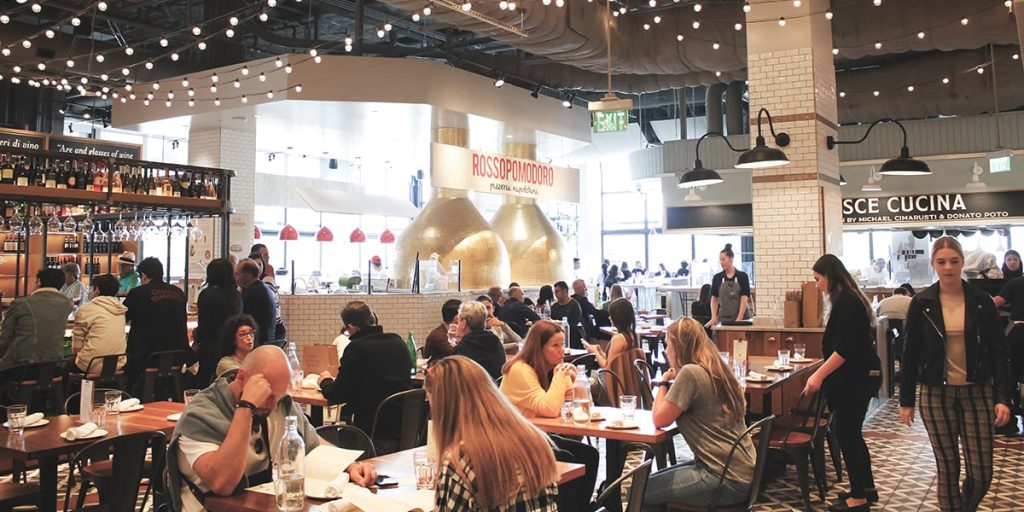
One of the most critical inputs for good restaurant yield and revenue is demand forecasting. Forecasting sales is critical for both individual restaurants and restaurant corporations.
You may forecast future trends by looking at what’s selling, what isn’t, and spending time finding out what market trends can encourage sales of regular and promotional menu items.
- Maximize Inventory Turnover
If your restaurant is stocked inadequately, you risk disappointing customers by not being able to fulfill regular orders and occasional special requests. Too much inventory can mean you have to throw out items and supplies as they inevitably go bad.
One good tip when it comes to maximizing your inventory turnover is to buy and serve seasonal.
When you revamp your menu and change your offerings each season, you have a chance to showcase the best and freshest ingredients on hand. Moreover, local seasonal produce makes it easier for you to cut down on transport costs and reduce your carbon footprint.
Incidentally collaborating with local suppliers shows that you care for your local economy and gives you a path to build your brand as ethical and sustainable. Avoiding waste and sourcing locally matters is a matter of concern for frequent, environmentally conscious diners.
- Practice Quality Control

Establishing food quality standards and maintaining them is crucial to every restaurant. This ensures food safety, satisfaction, and and reduces the chance of wasted food or orders sent to the kitchen.
Daily quality control practices from kitchen staff verify ingredient usability before food preparation and serving. Any drop or lapse in quality should be investigated for handling and storage issues. Problems with order deliveries should be reported back to the purchasing staff for feedback to the supplier.
- Factor in Logistics
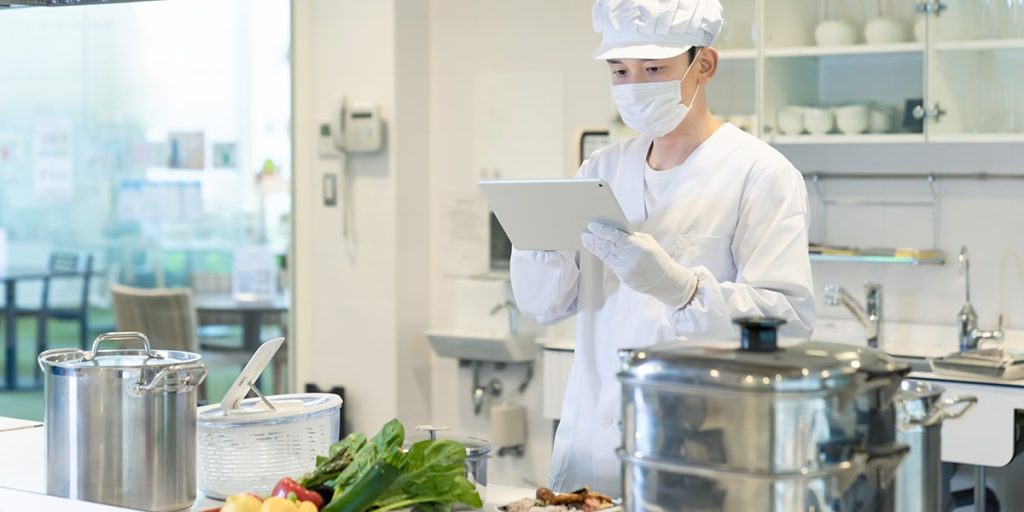
Let’s recall the 7Rs of logistics: getting the Right Product, in the Right Quantity, in the Right Condition, at the Right place, at the Right time, to the Right Customer, at the Right Price to always keep revenue in check.
Inventory transport and handling before any items get to your kitchen is critical to any serious restaurant business. Calculating the costs of transportation, freight, packaging, warehousing as well as inventory purchasing and replenishment inventory are vital to any restaurant supply chain. They are costly, extremely labor intensive and time consuming processes.
Restaurants carefully supervise everything from raw material sourcing, storage and handling, and kitchen preparation to preserve the quality of their ingredients. It’s good to remember that the inventory that sits in your storage the longest is going to cost you the most when it comes to logistics expenses.
- Determine Your True Inventory Budget And Stick To It
When evaluating inventory expenses, bear in mind the restaurant’s profitability as well as the purchasing power of your customers.
Establishing a sustainable inventory budget is important for restaurant sustainability.
One very important aspect of inventory budgeting is to estimate carrying costs of all unsold inventory items. Logistics and transportation, warehousing and storage equipment, depreciation, taxes, and insurance contribute to overall inventory cost. All of these should be factored into your inventory purchasing and management budget.
Do you keep in stock a thousand very expensive bottles of wine in refrigerated displays? Pay additional taxes on heavy duty, electronic equipment for your kitchen? Spend on overnight courier services for expensive, highly perishable ingredients from around the world?
Inventory carrying costs may add up anywhere up to 15-30% of what you allocate toward the purchase of inventory goods.
Once you’ve figured out how to calculate your true inventory costs, decide on your inventory budget – and stick to it.
- Automate Inventory Management Procedures With The Right POS System
When businesses make the move towards automating their restaurant inventory management, many of these processes become simpler to manage.
A great restaurant inventory management system forecasts how long the present stock will last, updates existing inventory levels, and enables you to raise inventory purchase orders when items are running out.
This kind of system also generates detailed inventory management reports and assigns rights to access and management of inventory on hand.
Explore newer restaurant management solutions and technologies to help your restaurant work more efficiently. Efficient control over inventory procedures reduces the risk of waste, theft, or misuse of your precious resources.
Mirash T
Author

Related Blog Posts










Get the latest news and updates
Submit your email address to join our email list.